


MGNREGA to see a name change, rise in guaranteed employment days
Cabinet clears Bill to rename MGNREGS as 'Poojya Bapu Grameen Rozgar Yojana' and raise guaranteed employment from 100 to 125 days
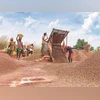 "jobs, jobless, unemployment, economy, hiring, workers, staff, employees, mgnrega, poor, welfare, poverty")
In the current NDA regime, the scheme’s Budget for the first time crossed Rs 1,10,000 crore in 2020-21 in the aftermath of increased work demand during Covid.
Listen to This Article
The Centre is renaming the flagship Mahatma Gandhi Rural Employment Guarantee Scheme, or MGNREGS, to Pujya Bapu Grameen Rozgar Yojana, while raising the number of mandatory guaranteed employment days from 100 to 125. The Union Cabinet has approved amendments to the master legislation, sources said, though no official confirmation has been issued.
The rural employment scheme currently guarantees up to 100 days of wage employment each financial year to households whose adult members volunteer for unskilled manual work. In practice, the average number of days of employment delivered nationally has rarely exceeded 50 in any given year.
In a written reply to Parliament, the Centre said in 2024-25 the average number of employment days provided per household under MGNREGS was 50.24.
The National Rural Employment Guarantee Act (NREGA), which covers NREGS, was enacted on August 25, 2005, to provide a legal guarantee of 100 days of employment each financial year to adult members of rural households willing to undertake public work-related unskilled manual labour at the statutory minimum wage. Mahatma Gandhi’s name was added later in 2009 to make it MGNREGA. The Ministry of Rural Development oversees the scheme’s implementation in coordination with state governments.
The Act was introduced to improve the purchasing power of rural households, primarily those below the poverty line, by providing semi-skilled or unskilled work. It aims to narrow the country’s wealth gap.
Its introduction and effective rollout were widely seen as factors contributing to the United Progressive Alliance’s return to power in 2009.
The scheme has faced its share of controversies and operational challenges. During the current National Democratic Alliance regime, the scheme’s Budget surpassed ₹1,10,000 crore for the first time in 2020-21 amid surging work demand during the Covid pandemic.
More From This Section

 "Consumer Price Index")
 "coal mine")
 "Rupee, Rs, Indian Currency")
 "RBI Deputy Governor T Rabi Sankar at BS BFSI summit in Mumbai on October 30, 2025.")
 "Retail inflation")
Topics : MGNREGA MGNREGA funds New Labour Codes
Don't miss the most important news and views of the day. Get them on our Telegram channel
First Published: Dec 12 2025 | 8:38 PM IST