


Tip off H-1B, EB-5, other immigrant visa frauds, US govt tells Americans
Protecting the integrity of the immigration process is our priority, said USCIS
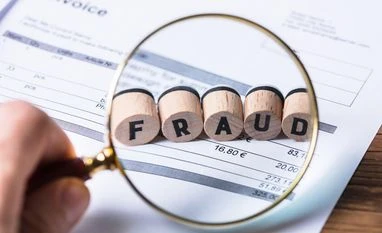 "Fraud, Scam")
A dedicated online form has been introduced to let the public report suspected immigration fraud. Photo: Shutterstock


Listen to This Article
The United States Citizenship and Immigration Services (USCIS) has called on the public to report suspected cases of immigration fraud, including those involving marriage, work visas and asylum claims.
“Protecting the integrity of the immigration process is a priority for USCIS,” the agency said in a statement on March 20, 2025. “One way we protect the immigration system is by making it easy for you to report immigration fraud and abuse through our online tip form. This includes fraud related to H-1B visas, H-2B visas, EB-5, asylum, marriage and other immigration benefits.”
Online tip form allows anonymous reporting
A dedicated online form has been introduced to let the public report suspected immigration fraud. The agency said tips could be submitted anonymously.
“You do not have to tell us your name or provide contact information,” the form reads. “However, if we need additional information and have no way to contact you, it may limit our ability to review your tip and take further action.”
Also Read

 "US President Donald Trump")
 "US visa, H4, H1B")
 "student")
 "Donald Trump, Trump")
 "US visa, H4, H1B")
USCIS has asked for detailed submissions including names, addresses, and any evidence that might help investigators assess the case.
Earlier this month, the US Department of Homeland Security (DHS) announced that it would collect data from more than 3.5 million immigrants each year, including Indian nationals applying for green cards, citizenship or other benefits.
Under Executive Order 14161, signed by President Trump in January 2025, DHS is conducting a broad review of immigration procedures. The order restores several policies from Trump’s previous term and expands vetting protocols.
One of the changes will require applicants to submit their social media handles on nine key immigration forms. Passwords will not be required, but officials say the move is meant to help verify identities and flag security concerns.
The forms affected include:
N-400 (application for naturalisation)
I-131 (application for travel document)
I-192 (application for advance permission to enter as nonimmigrant)
I-485 (application for adjustment of status)
I-589 (application for asylum)
I-590 (registration for classification as refugee)
I-730 (refugee/asylee relative petition)
I-751 (petition to remove conditions on residence)
I-829 (petition by investor to remove conditions on permanent resident status)
What this could mean for Indian applicants
With Indian nationals making up a large share of US immigration applications, experts say the move could bring more scrutiny to their digital presence.
“Online behaviour will be under the microscope, with authorities potentially reviewing posts, comments, and interactions that may seem harmless but could raise flags under stricter US policies,” said Varun Singh, managing director at XIPHIAS Immigration.
Ketan Mukhija, senior partner at Burgeon Law, advised applicants to be cautious. “To protect themselves legally, immigrants should maintain restrictive privacy settings and ensure their social media profiles match the details on their immigration applications,” he said.
Singh added that even casual content could pose risks. “A casual remark or an outdated opinion could now be misinterpreted, potentially affecting visa approvals.”
H-1B and EB-5 visa system
The H-1B programme allows US companies to hire foreign workers in specialised roles. Employers must file Form I-129 with USCIS detailing the role and salary. Each year, 85,000 new H-1B visas are issued — 65,000 under the regular cap and 20,000 for those with US advanced degrees.
In January 2024, USCIS changed its lottery system to a beneficiary-based model, counting each applicant only once regardless of how many companies submit their name.
“We’re determined to improve fairness in the H-1B process and minimise fraud,” said USCIS Director Ur M Jaddou. “Our goal is to make H-1B selections more equitable and ultimately transition to a fully electronic application process.”
Bloomberg reported that between 2020 and 2023, some companies manipulated the system by submitting multiple entries for the same person. The report estimated that around 15,500 H-1B visas issued last year — one in six — were the result of “multiple registration”.
As of financial year 2023, Indian nationals received about 73% of all H-1B visas, according to Pew Research Center. That translates to roughly 62,000 visas each year for Indian professionals.
Meanwhile, the EB-5 visa, which has allowed foreign investors to obtain US green cards since 1990, is now set to be replaced with what the Trump administration is calling the “Gold Card”.
Commerce Secretary Howard Lutnick said the new Gold Card, with a $5 million minimum investment, would take the place of the current EB-5 programme. Few details were provided, but the administration claimed it would reduce fraud and attract more “qualified” investors.
Congress had reauthorised the EB-5 programme through September 30, 2027, under the EB-5 Reform and Integrity Act of 2022. The law included stronger rules on fund tracking, regional centre oversight, and investor protection. Petitions filed before September 30, 2026, will still be processed under the previous terms.
More From This Section
 "Credit Card")
 "UPI")
 "Paytm, UPI")
 "dfkes")
 "Pension")
Don't miss the most important news and views of the day. Get them on our Telegram channel
First Published: Mar 21 2025 | 4:23 PM IST