


Bright lights at night may raise heart disease and stroke risk: Study
New research reveals that exposure to bright lights at night may significantly raise your risk of heart disease and stroke
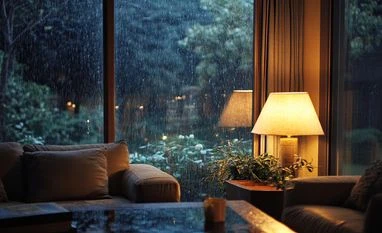 "light at night")
Experts say dimming indoor lights after sunset can help protect your heart. (Photo: AdobeStock)
Listen to This Article
Once the sun sets, our homes light up with ceiling lamps, streetlights seep through windows, and screens emit a constant glow. But according to a new study, this steady exposure to light after dark may harm the heart.
The study, titled Light Exposure at Night and Cardiovascular Disease Incidence, published in JAMA Network, found that people exposed to bright night light faced a 32 per cent higher risk of coronary artery disease, a 56 per cent higher chance of heart attack, and a 30 per cent greater risk of stroke compared with those who experienced the least light exposure.
Researchers noted that these risks persisted even after accounting for factors such as exercise, diet, sleep habits, and genetics.
How light disrupts your body’s natural rhythm
According to scientists, when surroundings remain bright long after dusk, it confuses the body’s circadian rhythm, which is the internal clock that regulates sleep, hormone release, and metabolism.
This disruption triggers what researchers call “physiological confusion.” The body reacts as if it is daytime: heart rate increases, blood pressure rises, and stress hormones surge. Over time, this constant internal stress strains the cardiovascular system, raising the risk of heart disease.
Also Read

 "information overload")
 "Google fitbit ai-health coach")
 "fake ORS drinks")
 "baldness cure, hair regrowth")
 "Diphtheria, vaccination, healthcare")
Why bright light affects the human body
Light exposure suppresses melatonin, a hormone that signals the body to rest. When melatonin levels drop, other biological systems lose their rhythm too. This sets off a chain reaction involving higher inflammation, elevated blood pressure, and an overworked heart.
Over time, living in an artificially bright environment fools the body into a state of chronic alertness, leaving it unable to rest and repair properly.
Who is most at risk?
Night-shift workers, who are routinely exposed to bright light during hours meant for rest, are especially vulnerable. However, similar effects can emerge in people who scroll on their phones in bed or sleep with a bedside lamp on.
Even urban dwellers face exposure, as light pollution from streetlights and nearby buildings can filter into bedrooms, disrupting the darkness that the body depends on for healthy sleep.
How to protect your heart from light pollution
Researchers recommend simple changes that can make a big difference:
- Dim indoor lights after sunset and use warm-toned bulbs instead of harsh white or blue ones.
- Block outdoor light using blackout curtains or blinds.
- Limit screen exposure an hour before bedtime and avoid using phones in bed.
- Create a sleep-friendly environment where darkness signals rest and allows the body to reset naturally.
In an age where the world never truly goes dark, researchers say dimming your lights may be one of the simplest, and most effective, ways to protect your heart.
For more health updates, follow #HealthWithBS
This content is for informational purposes only and is not a substitute for professional medical advice.
More From This Section
 "breast cancer prevention")
 "AI therapy")
 "Sleep habits")
 "Moderna, Covid vaccine, vaccine, Covid-19 vaccine")
 "Deep Brain Stimulation")
Don't miss the most important news and views of the day. Get them on our Telegram channel
First Published: Oct 28 2025 | 1:25 PM IST