


Could one mRNA therapy stop flu, Covid, and more? Scientists say yes
Inspired by a rare mutation that makes people virus-resistant, researchers have created an experimental mRNA nasal therapy that may offer broad protection against future outbreaks
 "mRNA therapy")
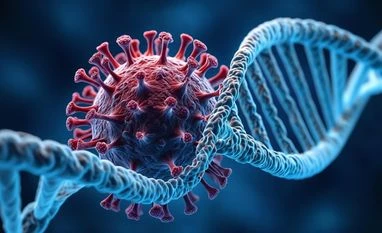
Researchers at Columbia University have developed an experimental mRNA therapy that mimics a rare genetic mutation to provide broad protection against viruses. (Photo: AdobeStock)
Listen to This Article
In a potential breakthrough for future pandemic preparedness, scientists at Columbia University have developed an experimental mRNA-based therapy that could offer temporary, broad-spectrum protection against a range of viruses.
The new study, published last week in Science Translational Medicine, titled An mRNA-based broad-spectrum antiviral inspired by ISG15 deficiency protects against viral infections in vitro and in vivo, described how the therapy mimics a rare genetic condition that makes a handful of people almost immune to common viral illnesses such as flu, chickenpox, and measles. In preclinical models, the therapy successfully protected mice and hamsters against both influenza and Sars-CoV-2.
What is the rare mutation behind this therapy?
The therapy is based on a condition known as ISG15 deficiency. Found in only a few people worldwide, this genetic mutation causes a mild, chronic activation of the immune system. While these individuals are slightly more prone to bacterial infections, they rarely fall ill from viral diseases.
Researchers discovered that this “always-on” immune response acts as a natural shield, keeping viral replication in check before illness sets in.
How does the mRNA therapy work?
To mimic this protective effect, the team developed a short-acting mRNA therapy packaged in lipid nanoparticles, much like current Covid-19 vaccines. However, instead of training the immune system to recognise one virus, this therapy instructs the body to temporarily produce 10 antiviral proteins that block viral replication broadly.
Also Read

 "Fact-check Friday Anaemia myths")
 "US Health and Human Services Secretary Robert F Kennedy Jr")
 "Soha Ali Khan")
 "mosquito, malaria, dengue")
 "blood pressure")
When administered nasally in animal studies, the therapy reduced viral loads and illness severity for both flu and Covid-19.
How long does the protection last?
The effect of the therapy lasts for around three to four days, offering what researchers call a crucial window of protection. This could be especially valuable for people exposed to infection, such as healthcare workers or family members, before vaccines or treatments are available.
How is this different from a vaccine?
Vaccines generate long-term immunity by helping the body remember a specific virus. This mRNA antiviral does not create immune memory but provides an instant, short-term shield against any virus, including unknown ones.
“We believe the technology will work even if we don’t know the identity of the virus,” said study author Dr Dusan Bogunovic, professor of paediatric immunology at Columbia University, in a statement on the university website.
Is the therapy safe?
So far, the therapy has only been tested in animals. However, researchers say it uses the same active ingredients found in existing bed nets and skin-safe repellents, suggesting a promising safety profile. More work is needed to refine dosage, delivery, and safety before human trials can begin.
What’s next for the therapy?
The researchers plan to conduct further studies to fine-tune the treatment and begin human testing. If successful, it could be deployed in future outbreaks to provide immediate defence while vaccines are still in development.
“Our findings reinforce the power of curiosity-driven research,” said Dr Bogunovic. “We weren’t searching for an antiviral, but rare patients helped inspire a solution that could one day protect everyone.”
For more health updates, follow #HealthWithBS
This content is for informational purposes only and is not a substitute for professional medical advice.
More From This Section
 "cortisol and diet")
 "phone-in-pocket, smartphones, men's health")
 "serotonin dopamine oxytocin endorphins, mental health")
 "paracetamol, ibuprofen, aspirin, painkillers")
 "Hepatitis")
Topics : Coronavirus Health with BS BS Web Reports Health Ministry health news COVID-19 Avian influenza Vaccination flu pandemic
Don't miss the most important news and views of the day. Get them on our Telegram channel
First Published: Aug 29 2025 | 2:35 PM IST