


Glass bottles may have more microplastics than plastic, shows French study
A French study challenges the belief that glass bottles are safer to drink from. It found that they contain up to 50 times more microplastics than plastic or metal bottles
 "glass bottles")
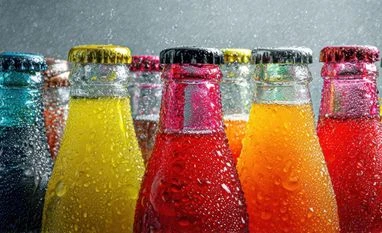
Researchers have detected the tiny, mostly invisible pieces of plastic in glass bottles. (Photo: AdobeStock)
Listen to This Article
Most of us believe that glass bottles are a safer choice for drinking, don’t we? But a new study has thrown a twist into this long-held assumption with surprising findings. Glass bottles may actually contain far more microplastics than plastic ones, in some cases, up to 50 times more.
A study conducted by France’s food safety agency, ANSES, titled ‘Microplastic contaminations in a set of beverages sold in France’, published recently in the Journal of Food Composition and Analysis, examined popular beverages like soft drinks, beer, iced tea, and water. Beer bottles topped the contamination charts.
What did the study find?
Researchers from ANSES analysed 56 beverage samples including water, soft drinks, iced tea, lemonade, beer, and wine, packaged in different materials like plastic, glass, brick cartons, cans, and cubitainers. They found glass bottles had the highest microplastic contamination across most beverages.
On average:
- Beer bottles had the highest contamination at 82.9 microplastic particles (MPs) per litre
- Lemonades followed with 45.2 MPs per litre
- Colas contained 31.4 MPs per litre
- Iced teas had 28.5 MPs per litre
Waters had the lowest contamination at 2.9 MPs per litre, but glass bottles still had higher levels than plastic
Also Read

 "Plastic")
 "World Environment Day 2025")
 "plastics, plastic, platic items")
 "Rekha Gupta, Delhi CM")
 "Infrastructure, project financing")
The researchers initially believed plastic would be the bigger culprit, but found the opposite.
Which beverages contained the most microplastics?
Here’s a quick contamination snapshot (microplastic particles per litre):
- Beer (glass bottles): ~133 MPs per litre
- Lemonade (glass bottles): ~112 MPs per litre
- Cola (glass bottles): ~103 MPs per litre
- Iced Tea (glass bottles): ~86 MPs per litre
- Water (glass bottles): ~4.5 MPs per litre
In contrast, plastic and canned versions of these drinks had significantly lower levels of microplastics.
Why are glass bottles contaminated?
It’s not the glass itself, it’s the caps.
The study found that most microplastic particles in beverages stored in glass bottles matched the colour and chemical composition of the paint used on the outside of the bottle caps. The caps, especially those made of metal with painted coatings, are likely shedding microplastics into the drink.
Experiments revealed that a simple cleaning method, blowing and rinsing the caps before sealing, could reduce microplastic contamination by about three times.
Besides packaging, other sources include:
Manufacturing processes: Screwing/unscrewing caps can introduce particles
Environmental exposure: Poor storage and handling
Paint and adhesives: Especially on caps and labels
Notably, wine bottles were the exception. They had lower contamination because they were sealed with cork stoppers instead of metal caps.
What are microplastics?
Microplastics are tiny plastic fragments less than five millimetres in size. They are found almost everywhere, from the deepest oceans to the food and drinks we consume. Studies have even found microplastics in human tissues like the brain and placenta.
Should you stop drinking from glass bottles?
Not necessarily. But this study is surely a wake-up call. The perception that glass is always the safer, cleaner option isn’t as straightforward as we thought. For more health updates, follow #HealthWithBS
This content is for informational purposes only and is not a substitute for professional medical advice.
More From This Section
 "Fever, Unwell, Cold, Unhealthy")
 "birth, birthrate, baby, infant, newborn")
 "blood tet, report, health")
 "blood cancer, blood")
 "desk yoga, office yoga poses")
Don't miss the most important news and views of the day. Get them on our Telegram channel
First Published: Jun 23 2025 | 11:50 AM IST