


ICMR-NIIH launches India's first national rare blood donor registry
India's ICMR-NIIH has launched the country's first national rare blood donor registry to help patients with uncommon blood types, including those with thalassemia and sickle cell disease
 "blood cancer, blood")
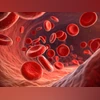
Rare blood groups are typically those that lack high frequency antigens (seen in 1 in 1,000 people or less), are negative for common antigen combinations. | Photo: AdobeStock


Listen to This Article
In a first, the National Institute of Immunohaematology (NIIH) in Mumbai, operating under the Indian Council of Medical Research (ICMR), has launched a national registry for rare blood donors. This initiative aims to help patients with uncommon blood types — especially those with conditions like thalassemia and sickle cell disease — who often need repeated blood transfusions.
Dr Manisha Madkaikar, Director of the ICMR-Centre for Research Management and Control of Haemoglobinopathies (CRHCM) in Nagpur, told PTI that the ICMR-NIIH is currently in discussions with the Director General of Health Services (DGHS) to link this rare donor registry with *e-Raktakosh*, the government’s existing blood availability portal.
This integration will make it easier for people with rare blood groups to locate matching donors and blood banks, while also helping blood banks manage their donor records and supplies more efficiently.
High demand for blood in India
According to the Central Drug Standard Control Organisation (CDSCO), India has over 4,000 licensed blood banks for its population of more than 142 crore.
Dr Madkaikar pointed out that India has a significant need for blood transfusions due to a higher occurrence of blood disorders and pregnancy-related complications. “Thalassemia itself contributes to 100,000 to 150,000 patients who require recurrent transfusions,” she said.
Also Read

 "medicine, drug")
 "school children obesity, children")
 "covid")
 "covid")
 "Ranitidine cancer threat: Expect more clarity on products in coming weeks")
She also highlighted the large-scale need for blood due to accidents and medical procedures. “With more than 1,200 road accidents occurring every day in India, and with every year 60 million surgeries, 240 million major operations, 331 million cancer-related procedures, and 10 million pregnancy complications, a serious call for blood transfusion is recognised,” she added.
Why minor blood group antigens matter?
Most blood banks in India only match ABO and RhD antigens when issuing red blood cell components. But the International Society of Blood Transfusion (ISBT) has recognised over 360 antigens across 47 blood group systems. These lesser-known antigens are not routinely tested in India, Dr Madkaikar said.
“As a result, a mismatch of minor antigens between donor and patient blood group (BG) profiles can lead to red cell alloimmunisation (1–3 per cent in the general population, 8–18 per cent in thalassaemic patients). About 25 per cent of all immunised patients have been reported to receive unsatisfactory transfusion support due to presence of multiple antibodies or antibodies to high frequency antigens (HFA),” she explained.
What counts as a rare blood group?
Rare blood groups are typically those that lack high frequency antigens (seen in 1 in 1,000 people or less), are negative for common antigen combinations, or show a null phenotype.
“Meeting a demand for rare blood supply is challenging and time consuming for such patients. The need of a patient for rare blood can be the start of a series of events that may extend beyond the local blood centre and become a national or even an international search,” Dr Madkaikar said.
To address this, a well-maintained database of rare and extensively typed blood donors is essential. Dr Madkaikar noted that 27 countries already have national rare donor registries. Until recently, India was not one of them.
Earlier in 2019, ICMR-NIIH received approval for a Centre of Excellence project aimed at screening 4,000 regular ‘O’ group blood donors from four regions of India. This was done using advanced molecular techniques in partnership with major hospitals — KEM Hospital in Mumbai, PGIMER Chandigarh, MCH Kolkata, and JIPMER Puducherry.
“More than 600 donors negative for combination of antigens were identified along with 250 very rare blood group donors. The registry also includes 170 Bombay blood group donors, which is the commonly required rare blood type in India (approx 120–150 units/year). To access this inventory (ICMR-Rare Donor Registry of India (RDRI)), a web-based portal has been developed for systematic requisition and provision of blood to patients on time,” Dr Madkaikar said.
She added, “There is a plan to integrate this rare donor registry with e-Raktakosh of DGHS so that all the blood banks can contribute their rare donors and help in expansion of the registry. Last month we held a meeting with the DGHS.”
India’s first diabetes biobank
In another landmark step last year, ICMR had established the country’s first diabetes biobank in Chennai, in collaboration with the Madras Diabetes Research Foundation (MDRF).
This facility collects, processes, and stores biological samples to support scientific research into diabetes and related disorders. The biobank aims to enhance understanding of the Indian forms of diabetes and contributes to ongoing studies, with appropriate permissions from ICMR.
More From This Section
 "desk yoga, office yoga poses")
 "wrist pain from typing")
 "yoga at work")
 "Eye excercise")

Don't miss the most important news and views of the day. Get them on our Telegram channel
First Published: Jun 21 2025 | 5:59 PM IST