


Hypothermia in elderly: Winter safety measures every family should know
Cold weather can be deadly for seniors, even indoors. Doctors explain why older adults are vulnerable to hypothermia and share practical winter safety tips for families and caregivers
 "hypothermia elderly - risk and care")
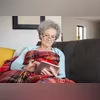
Hypothermia in older adults can develop quietly indoors, even at mildly cool temperatures. (Photo: Freepik)
Listen to This Article
Winter can be dangerous for older adults. While cold waves often bring warnings about outdoor exposure, many cases of hypothermia in the elderly develop indoors, at temperatures families may consider harmless. Doctors say age-related changes in the body, chronic illnesses and commonly used medicines all combine to make seniors more vulnerable, often without obvious warning signs.
Why older adults are more vulnerable to hypothermia
“Normal ageing lowers the resting body temperature and reduces sensitivity to cold,” explains Dr Pankaj Soni, Principal Director – Internal Medicine, Fortis Escorts, New Delhi. As a result, protective responses such as shivering, narrowing of blood vessels and metabolic heat production become slower and weaker.
This means even mildly cold weather, especially in underheated homes, can push older adults into hypothermia. Limited mobility, frailty and existing health problems further increase the risk, often without the person realising what is happening.
Dr Sunil Rana, Associate Director and Head – Internal Medicine at Asian Hospital, adds that ageing reduces natural insulation. Loss of muscle and fat allows heat to escape more easily, while blood vessels react less efficiently, causing the skin to lose warmth faster.
What changes in ageing bodies affect heat regulation?
Several age-related changes make it harder for seniors to stay warm:
Also Read


 "sleep, sleep disorder, sleeping")
 "byd, electric vehicle, chinese cars")
 "Cybercrime, Cyber crime")
 "boiling water to remove impurities")
Reduced muscle and metabolism: Muscle loss (sarcopenia) lowers shivering heat, while a slower metabolic rate means less internal warmth is generated.
Weaker shivering responses: Older adults often shiver later and less intensely, delaying heat production when temperatures fall.
Impaired circulation and insulation: Blood vessels in the skin do not constrict effectively, allowing heat to escape. Reduced subcutaneous fat further weakens insulation.
Changes in brain regulation: The hypothalamus, the body’s thermostat, becomes less sensitive with age, so corrective responses are triggered later and less strongly.
Comorbidities such as heart disease, diabetes and neurological disorders can impair these responses even further.
Early warning signs families often miss
Hypothermia in the elderly rarely begins with dramatic symptoms. “Early hypothermia is often missed because the first changes are subtle and nonspecific,” says Dr Soni.
Commonly overlooked signs include:
- Cold hands and feet or a puffy-looking face
- Mild or fine shivering
- Slowed or slurred speech, clumsiness, fumbling with buttons
- New confusion, irritability, withdrawal or unusual sleepiness
These symptoms are frequently mistaken for fatigue, medication effects or normal ageing, delaying help.
How illnesses and medicines raise the risk
Chronic conditions interfere with heat production and circulation. Heart disease reduces blood flow control, endocrine disorders lower metabolism, and neurological illnesses weaken temperature regulation and judgment.
Many common medicines add to the danger:
- Sedatives, opioids and sleep aids reduce shivering and awareness
- Some antidepressants and antipsychotics disrupt brain temperature control
- Beta-blockers and other heart medicines weaken circulation responses
- Alcohol and vasodilators increase heat loss by widening skin blood vessels
Why indoor hypothermia is especially dangerous
Contrary to popular belief, hypothermia does not require freezing temperatures. Dr Soni notes that indoor hypothermia often develops at room temperatures of 16–18°C, particularly at night.
Indoor hypothermia can be more severe because it affects frailer individuals and is recognised later. Hypothermia itself dulls awareness, so the person may not complain of feeling cold or unwell. Financial worries, power cuts or broken heaters can quietly worsen the risk.
Winter safety measures for families and caregivers
Families can significantly reduce hypothermia risk with simple, consistent steps:
Keep homes safely warm
- Aim for indoor temperatures of 20°–24°C
- Block drafts and use heaters safely; never leave them unattended
Dress in warm layers
- Encourage thermal inner layers, sweaters, shawls, socks and slippers indoors
- Change damp clothes promptly and use extra blankets
Plan outdoor time carefully
- Limit exposure during cold, wet or windy weather
- Cover all exposed skin and avoid standing still for long periods
Support nutrition and hydration
- Offer regular warm meals and hot drinks to fuel heat production
- Avoid/ limit alcohol intake
Monitor and check in
- Watch for confusion, drowsiness or clumsiness, even indoors
- Arrange daily check-ins for older adults living alone during cold spells
“Hypothermia prevention is not just about heavy clothing,” stresses Dr Rana. Keeping living spaces warm, ensuring proper nutrition and staying alert to subtle changes can save lives. In winter, vigilance at home is just as important as caution outdoors.
For more health updates, follow #HealthwithBS
This report is for informational purposes only and is not a substitute for professional medical advice.
More From This Section
 "Sleep problems, sleep disorder")
 "Autism myths")
 "When you exercise may influence how efficiently your body burns fat, say doctors. (Photo: AdobeStock)")
 "gym, women's health")
 "Crohn's disease")
Don't miss the most important news and views of the day. Get them on our Telegram channel
First Published: Jan 02 2026 | 2:52 PM IST