


Indore water contamination crisis: How to stay safe and avoid illness
As Indore grapples with a water contamination crisis, health experts break down safe water practices, symptoms to watch for, and when diarrhoea and vomiting require hospital care
 "boiling water to remove impurities")
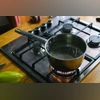
Experts recommend boiling water as a first-line safety measure when there is any doubt about the safety of the local water supply. (Photo: Pexels)
Listen to This Article
A recent water contamination crisis in Indore has once again highlighted the serious threat posed by unsafe drinking water. Laboratory tests confirmed contamination in piped drinking water in Indore’s Bhagirathpura area, linked to a diarrhoeal outbreak that has claimed at least nine lives, with more than 150 residents undergoing treatment across city hospitals.
Doctors stress that such outbreaks are not unique to one city and can occur anywhere when water systems are compromised, especially during seasonal changes or infrastructure stress.
While civic authorities have taken steps to contain the outbreak, the episode is a stark reminder of how quickly unsafe water can trigger serious illness, and why households must know how to protect themselves, recognise danger signs early, and manage mild illness safely at home.
Why contaminated water makes you sick
Unsafe water can carry bacteria, viruses and parasites that infect the gut. Experts explain that the chain of infection in such cases is straightforward: pathogens are shed in the faeces of an infected person, enter the water supply, and are then ingested by others. This is why water quality and sanitation systems are so closely and directly linked to public health.
The pathogens irritate the intestinal lining, leading to loose stools, vomiting and fluid loss. If fluids and salts are not replaced quickly, dehydration can become life-threatening. “Most waterborne illnesses begin with gastrointestinal symptoms, but the danger lies in how fast dehydration can develop,” says Dr Shriyansh Jain, Associate Director - Internal Medicine, Sarvodaya Healthcare.
Also Read

 "Green card")
 "Sleep problems, sleep disorder")
 "Fastag")
Symptoms to watch out for
Early symptoms often appear within hours to a few days after consuming contaminated water. These include:
- Frequent loose stools
- Vomiting or nausea
- Stomach cramps or bloating
- Fever
- Weakness or dizziness
Children may become unusually irritable or lethargic, while older adults may show confusion or reduced urine output, both signs of dehydration.
Safe water practices every household should follow
Preventing infection starts at home, especially during an outbreak or advisory period.
- Boil drinking water for at least five to 10 minutes and allow it to cool before use. This kills most disease-causing organisms
- Use sealed bottled water if the source is trusted, especially for infants, the elderly and those who are unwell
- Store water safely in clean, covered containers. Avoid dipping hands or used cups directly into storage vessels
- Wash hands thoroughly with soap and clean water before eating, cooking and after using the toilet
- Avoid raw foods washed with tap water, such as cut fruits, salads and chutneys, until the supply is declared safe
Dr Jain explains, “Boiling water and strict hand hygiene remain the most reliable defences when there is any doubt about water quality.”
Experts say it is important to choose the right water filter. “Absolute 1-micron” filters can remove parasites and many bacteria, but they may not reliably eliminate viruses. Additional chemical disinfection or UV treatment may be required. Reverse osmosis (RO) systems offer broader protection, removing a wide range of contaminants, including bacteria, viruses, dissolved salts and chemical impurities.
When to seek medical care urgently
Seek medical help immediately if there is:
- Severe or persistent diarrhoea lasting more than 24–48 hours
- Signs of dehydration - very little urine, dry mouth, sunken eyes
- High fever or blood in stools
- Repeated vomiting preventing fluid intake
- Illness in infants, pregnant women, and the elderly
- People with diabetes, kidney or heart disease
“Delaying treatment in vulnerable patients can quickly turn a manageable infection into a medical emergency,” warns Dr Rajesh Puri, Vice Chairman, Gastroenterology and Gastrosciences, Medanta Gurugram.
Care and treatment tips for mild cases at home
For mild symptoms without warning signs, supportive care is often enough.
- Oral rehydration solution (ORS) is essential - sip small amounts frequently, even if appetite is low
- Continue light meals such as rice, curd, bananas and toast once vomiting settles
- Avoid antibiotics unless prescribed, as many waterborne infections are viral and self-limiting
- Rest and isolate to prevent spreading infection within the household
- Monitor symptoms closely, especially urine output and energy levels
Dr Puri notes, “Hydration is the cornerstone of treatment. Most patients recover well if fluids and electrolytes are replaced early.”
The Indore outbreak underscores the importance of safe water habits even outside emergencies. Regularly cleaning storage tanks, fixing leaking pipelines promptly, and heeding boil-water advisories can prevent future outbreaks.
For more health updates, follow #HealthwithBS
This report is for informational purposes only and is not a substitute for professional medical advice.
More From This Section
 "Autism myths")
 "When you exercise may influence how efficiently your body burns fat, say doctors. (Photo: AdobeStock)")
 "gym, women's health")
 "Crohn's disease")
 "diabetes and male infertility")
Topics : Health with BS BS Web Reports Groundwater contamination water pollution diarrhoea diarrhoea deaths
Don't miss the most important news and views of the day. Get them on our Telegram channel
First Published: Jan 02 2026 | 12:54 PM IST