


Why pancreatic cancer goes unnoticed, and what doctors want you to know
From vague back pain to new-onset diabetes, early signs of pancreatic cancer often mimic routine issues. This World Pancreatic Cancer Day, doctors explain why early attention can be lifesaving
 "World Pancreatic Cancer Day")
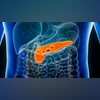
Pancreatic cancer rarely shows clear early symptoms, causing most cases to be diagnosed late.(Photo: Adobestock)
Listen to This Article
Pancreatic cancer rarely announces itself. Its early signs look like routine digestive troubles or a harmless backache, leading most patients to reach doctors only when the disease has quietly advanced. On World Pancreatic Cancer Day 2025, oncologists say these subtle clues deserve far more attention.
Why pancreatic cancer slips under the radar
Dr Ninad Katdare, Consultant Surgical Oncology, HCG ICS Khubchandani, Mumbai, says the challenge begins with anatomy. “The pancreas is located deep in the abdomen behind the stomach. Tumours in early stages produce no palpable mass and rarely have symptoms until they invade surrounding nerves or ducts.”
Key reasons it is hard to detect early include:
- Silent progression: Early tumours don’t bleed or obstruct organs, unlike many other cancers.
- Late-appearing specific symptoms: Jaundice, sharp abdominal pain or digestive changes usually emerge only when the tumour has spread or blocked the bile duct.
- No population-wide screening test: There is still no equivalent of mammography or colonoscopy for pancreatic cancer.
Early symptoms most people overlook
Dr Katdare notes that early signs are easy to dismiss because they overlap with routine digestive or lifestyle issues.
These include:
Also Read

 "men mental health")
 "early prostate symptoms")
 "World Toilet Day - Sanitation India")
 "International Men's Day")
 "knee pain, joint pain")
- Indigestion, bloating or acidity
- Mild abdominal or mid-back pain, often mistaken for muscle strain
- Early satiety or unexplained fatigue
- New-onset diabetes in adults over 50
Dr Aadesh Patil, Senior Radiation Oncologist, Dr L H Hiranandani Hospital, Mumbai, says symptoms in pancreatic cancer behave differently from routine issues:
- Back pain: deep, steady, worse at night or lying down
- Indigestion: persistent, progressively worsening, unrelated to meals
- Weight loss: unintended and rapid, often linked to pancreatic insufficiency
- Diabetes: sudden onset in lean adults, sometimes requiring early insulin
Who is at higher risk?
Experts emphasise that some groups must be extra alert:
- People with hereditary syndromes (BRCA1/2, PALB2, Lynch, Peutz-Jeghers)
- Those with multiple close relatives with pancreatic cancer
- Chronic pancreatitis patients
- Long-term smokers and heavy alcohol users
- Adults over 50 with new-onset diabetes
- Individuals with cystic pancreatic lesions
Experts advise seeking immediate evaluation for:
- Persistent abdominal or back pain
- Unexplained weight loss
- Painless jaundice
- Greasy or pale stools
- Rapidly worsening blood sugar levels
Rising cases, low survival
Pancreatic cancer is increasingly becoming a global health priority. In 2022, the world recorded 510,992 new cases and 467,409 deaths, making it the 12th most common cancer worldwide with low survival rates.
When detected at Stage I, the five-year survival rate can exceed 40 per cent, compared with less than 10 per cent overall, says Dr Katdare.
"The five-year survival rate of patients is merely 9 per cent, which means that 91 per cent of all pancreatic cancer patients are expected to die within 5 years. The one-year survival rate is 29 per cent, meaning that 71 per cent of deaths in pancreatic cancer occur in a one-year time frame,” shares Dr Radheshyam Naik, Consultant Medical Oncologist, Sammprada Hospital, Bengaluru.
In India, incidence remains lower than the global average but is steadily rising, the doctor says. “Lifestyle factors such as obesity, smoking and alcohol use are driving this increase. Smoking is the most significant modifiable risk factor, while high-fat diets, obesity and diabetes also contribute. With diabetes on the rise in India, which is linked to an increased risk of pancreatic cancer, future trends may be affected,” he adds.
Early detection tools
- MRI (Magnetic Resonance Imaging), MRCP (Magnetic Resonance Cholangiopancreatography) and EUS (Endoscopic Ultrasound) used in structured surveillance of high-risk individuals
- Blood tests with multiple biomarkers for pancreatic cancer
- AI-based risk-prediction models that scan electronic health records to identify subtle patterns years before diagnosis
- Genetic testing for hereditary syndromes, enabling personalised surveillance and early detection in high-risk groups
World Pancreatic Cancer Day 2025
World Pancreatic Cancer Day, observed on the third Thursday of November, serves as a global call to recognise and act on early, persistent symptoms. Started by the World Pancreatic Cancer Coalition (WPCC), an alliance of organisations and advocacy groups working to improve awareness and outcomes, the day highlights how early attention can change survival rates.
Building on this message, oncologists stress that symptoms such as persistent digestive changes, new-onset diabetes or unexplained fatigue should never be overlooked, particularly in people with higher risk. “Early symptoms count, even if they are vague,” says Dr Katdare.
Also Read: Is that stomach pain pancreatitis? How to know when to see a doctor
For more health updates, follow #HealthwithBS
This report is for informational purposes only and is not a substitute for professional medical advice.
More From This Section
 "biotech, research, drug making, science, experiment")
 "World COPD Day")
 "addiction research, alcohol cravings, drug cravings")
 "Naegleria fowleri, brain eating amoeba")
 "alcohol consumption")
Don't miss the most important news and views of the day. Get them on our Telegram channel
First Published: Nov 20 2025 | 2:30 PM IST