


Toxic air crisis: Over 60% fell sick in Punjab, Haryana & Delhi this winter
Delhi's Air Quality Index (AQI) soared to a hazardous 500 last November-well beyond safe limits-highlighting India's escalating struggle to combat air pollution
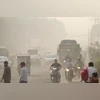 "air pollution, AQI")
Photo: PTI


Listen to This Article
A recent study by the Artha Centre for Rapid Insights (ACRI) has shed light on the alarming health impact of rising pollution levels. The study reveals that over 60% of respondents from Punjab, Rajasthan, and Delhi reported experiencing respiratory issues during the peak pollution period in November 2024, highlighting the worsening air quality crisis in North India.
Air pollution in India has reached a dangerous tipping point, posing serious threats to public health, the environment, and the economy. In November 2024, Delhi’s Air Quality Index (AQI) skyrocketed to a hazardous 500—far beyond safe limits.
Factors like stubble burning, vehicular emissions, and industrial pollution continue to worsen the crisis. With 12 of the world's 15 most polluted cities located in India and pollution levels exceeding WHO guidelines by over ten times in nearly half of the country, the impact is staggering.
The survey, conducted across eight highly affected states in November 2024, across 8,698 households, revealed that 56% of respondents or their family members suffered from pollution-induced respiratory illnesses. The impact was especially severe among young adults, with over 60% of individuals aged 18-30 reporting health issues, it noted.
Among those affected, 70% missed at least one day of work or school, underscoring the economic toll of poor air quality. Children and the elderly remain particularly vulnerable, as pollution exposure hampers cognitive development and worsens chronic illnesses.
Also Read

 "Pollution, Air pollution")
 "air pollution, AQI")
 "Purchasing Health Insurance")
 "Rain, Rainfall, monsoon")
 "Rain, Delhi Rains, Monsoon")
The economic toll is just as severe, with Indian businesses losing an estimated $95 billion annually due to reduced productivity, worker illnesses, and premature deaths.
What causes air pollution across North India?
Last winter continued the alarming trend of worsening air quality across the country, with pollution levels reaching hazardous highs and turning cities into smog-choked zones. North India was once again choking under a thick blanket of toxic air. States like Haryana, Uttar Pradesh, Punjab, and Bihar were grappling with dangerously poor air quality, largely driven by widespread stubble burning.
While coal-powered power generation remains a major contributor to pollution year-round, the crisis reaches alarming levels in colder months. A deadly cocktail of plummeting temperatures, vehicle emissions, dust, cooking fuel smoke, and large-scale crop burning fuels a dramatic surge in smog, turning cities into gas chambers and making clean air a distant dream.
India dominates the list of the world's most polluted cities, with 12 out of the worst 15, according to the IQAir World Air Quality Report 2021. Shockingly, no Indian city meets the WHO’s safe air quality standards, and nearly half exceed PM2.5 limits by over 10 times. The health and economic toll is staggering, with air pollution costing Indian businesses $95 billion annually due to reduced worker productivity, lower consumer activity, and premature deaths.
More From This Section
 "S Jaishankar, Jaishankar")
 "Supreme Court, SC")
 "Ashwini Vaishnaw, Ashwini, Vaishnaw")
 "Money, Loan, Economy, Capital, Rs, Rupee, Indian Currency")
 "belagavi")
Don't miss the most important news and views of the day. Get them on our Telegram channel
First Published: Feb 24 2025 | 7:27 PM IST