


India's finished steel consumption rises 7% to 164 MT in 2025-26
India's finished steel consumption rose 7 per cent to 164 million tonnes in 2025-26, supported by strong demand from infrastructure, construction and manufacturing sectors
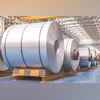 "steelmakers, steel")
Steel prices followed a downward trend over the past three years in India before recovering in early 2026.
Listen to This Article
India's finished steel consumption grew 7 per cent to 164 million tonnes last financial year, driven by increased activity in infrastructure, construction, railways and manufacturing sectors, the steel ministry said in a statement on Wednesday.
"The government’s continued push on large-scale infrastructure projects and urbanisation played a pivotal role in boosting steel consumption during the period," the ministry said, adding crude steel output grew 10.7 per cent to 168.4 MT during the year, reflecting sustained industrial momentum.
A major highlight of 2025-26 was the country's export performance, with finished steel exports surging 35 per cent to reach 6 MT, while imports declined sharply by 31 per cent. This shift enabled India to regain its position as a net exporter of steel, supported by diversification of markets and improved competitiveness.
"The industry witnessed continued investments aimed at expanding production capacity. India’s total steel capacity, at about 220 MT in 2025-26, is projected to reach 300 MT by 2030, supported by both public and private sector investments," the ministry said.
It added that large companies, including SAIL, Tata Steel and JSW Steel, continued to invest in capacity expansion, technology upgrades and value-added steel production during the year, reflecting confidence in long-term demand growth.
Also Read

 "steelmakers, steel")
 "Andhra Pradesh CM N Chandrababu Naidu (centre), ArcelorMittal Executive Chairman Lakshmi Niwas Mittal, and Union Minister HD Kumaraswamy at the foundation laying ceremony of the plant. (PHOTO: X/HD KUMARASWAMY)")
 "steelmakers, steel")
 "JSW Steel, JSW")
 "STEEL")
Steel prices followed a downward trend over the past three years in India before recovering in early 2026. However, profitability remained under pressure due to fluctuating raw material costs, especially coking coal, and volatile global prices. Increased logistics and freight costs also affected margins due to geopolitical crisis.
"Disruptions in gas supplies from the Middle East led to shortages of industrial fuels such as LPG, threatening production continuity for several steel manufacturers. The government intervened by increasing LPG allocations to key sectors, including steel, to cushion the impact and maintain output," the ministry said.
While rising energy costs and supply chain disruptions highlighted the sector’s vulnerability to global shocks, strong domestic demand translated into higher logistics activity.
Indian Railways reported increased freight movement of iron ore and finished steel last financial year, and growth in the eight core industries in India — including refinery products, electricity, steel, coal, crude oil, natural gas, cement and fertilisers — indicated industrial activity and consumption.
More From This Section
 "solar, solar power, solar panels, solar projects")
 "Debt")
 "pharmachart")
 "Strait of Hormuz, vessels")
 "Housing")
Don't miss the most important news and views of the day. Get them on our Telegram channel
First Published: Apr 08 2026 | 5:00 PM IST