


NITI Aayog calls for tighter norms to fix India's waste tyre recycling gaps
A new NITI Aayog assessment said tyre production is projected to double over the next decade, significantly increasing the volume of discarded tyres
 "tyres, waste, pollution")
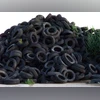
NITI Aayog flags gaps in India’s waste tyre recycling system, calling for tighter EPR rules, better traceability and stronger markets for recycled products. (Photo: Wikimedia Commons)
Listen to This Article
As India’s automobile fleet expands rapidly, the country is staring at a growing challenge of managing end-of-life tyres (ELTs), prompting NITI Aayog to call for tighter regulation, better traceability and stronger domestic markets for recycled tyre products.
A new NITI Aayog assessment said tyre production is projected to double over the next decade, significantly increasing the volume of discarded tyres. While recycling offers an opportunity to reduce import dependence and generate green jobs, the existing ecosystem remains fragmented and inefficient.
Despite the presence of an extended producer responsibility (EPR) framework, the report noted that waste tyre recycling in India continues to be dominated by informal operators, with weak traceability, inconsistent standards and limited value recovery. Ambiguity in EPR certificate weightage, lack of uniform valuation for recycled outputs and loopholes in enforcement have led to downcycling and misuse of recycled tyre derivatives.
High-value outputs such as recovered carbon black (rCB) and refined tyre pyrolysis oil (TPO) face limited uptake due to the absence of national quality standards and clear end-use mandates, the report said. As a result, recycled tyre materials often fail to substitute imports, diluting the economic potential of circularity in the sector.
NITI Aayog has recommended a revamp of the EPR mechanism for tyres, including a precise and auditable certificate-generation process backed by a common conversion factor. It also proposed standardised mass-flow mapping and mandatory installation of online continuous emission monitoring systems for tyre pyrolysis units to strengthen environmental compliance.
Also Read

 "The Niti Aayog has estimated an emission reduction potential of 27-36 million tonne over the implementation period of the scheme as MSMEs adopt green electricity over the next decade")
 "Trade exports")
 "Trade, Ship")
 "branded residence, housing, real estate")
 "Merchandise exports, trade, exports")
To curb sub-optimal usage, the report suggested restricting TPO to refineries or select industrial applications and mandating that carbon char be upgraded only into recovered carbon black. Notification of national standards for TPO and rCB, along with procurement guidelines to promote their use in domestic supply chains, could significantly improve market confidence and demand, it added.
Formalisation of the recycling ecosystem emerged as a key theme, with recommendations to integrate all stakeholders — collectors, processors and retreaders — into the EPR framework. Platforms such as the Udyam Assist portal could be used to onboard unauthorised recyclers, while targeted financial support and a one-time waiver of legacy environmental liabilities may help small units upgrade infrastructure and comply with norms.
The report also flagged tax and classification issues, calling for GST rationalisation on waste tyres and recycled products, and separate HSN codes for crumb rubber and micronised rubber powder to improve market clarity and competitiveness.
If implemented, these measures could unlock multiple benefits, including higher material recovery, reduced import dependence on raw materials, and the creation of organised green employment, NITI Aayog said. Strengthening the waste tyre recycling ecosystem would also align with the government’s broader Make in India and resource-efficiency goals, positioning India as a leader in advanced circular practices in the tyre sector.
More From This Section
 "information technology, IT Sector, IT Service")
 "6g")
 "Supreme Court, SC")
 "carbon emission, co2, air pollution")
 "Tata power")
Topics : Niti Aayog Tyre industry automobile industry
Don't miss the most important news and views of the day. Get them on our Telegram channel
First Published: Jan 27 2026 | 9:45 PM IST