


Nvidia partners with telecom firms to make sure 6G networks embrace AI
Nvidia is teaming up with a group of telecommunications companies including Nokia Oyj, SoftBank Group Corp. and T-Mobile US Inc
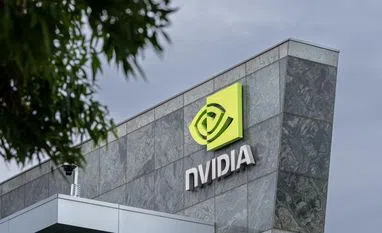 "Nvidia, 6G network")
Nvidia pushes AI-first vision for next-generation 6G mobile networks | Image: Bloomberg


Listen to This Article
By Ian King
Nvidia Corp., the world’s most valuable company, is throwing its weight behind an effort to make sure the forthcoming 6G phone networks provide a strong platform for services and devices that take advantage of artificial intelligence.
Nvidia is teaming up with a group of telecommunications companies including Nokia Oyj, SoftBank Group Corp. and T-Mobile US Inc. that will commit to building sixth-generation networks based on computers and software capable of using AI to help direct radio traffic safely and efficiently.
The change is necessary because of myriad devices that will be attached to networks in the future and their more complex requirements, Nvidia said Sunday in a statement timed for the opening of a telecom industry conference in Barcelona. The current generation, 5G, was designed to connect people via voice and data and provide them with retrieved information. It isn’t capable of supporting the widespread use of AI, Nvidia said.
“The networks of today simply aren’t ready for the use cases of tomorrow,” said Ronnie Vasishta, who heads Nvidia’s telecommunications business and strategy. “In the AI era, everything changes. Networks will deliver intelligence, not just for humans on their phones, but for machines.”
Also Read

 "telecom, TRAI")
 "OpenAI")
 "artificial intelligence, AI,")
 "Airtel")
 "Asian stocks, Asian shares")
Telecommunications networks will require “hundreds of thousands of times” more efficiency because there isn’t enough radio spectrum to support the new uses, he said.
The chipmaker, whose gear is at the center of the AI explosion, is trying to carve out a new market and clear a potential roadblock. Nvidia already offers versions of its chips, computers and software for use in networks and hopes to expand that business. At the same time, the company needs AI to spread to more areas — in things termed physical AI, like robots and vehicles — to continue to fuel demand and pay for the data centers that are currently the biggest consumers of its technology. Without wireless networks enabled for AI traffic, Nvidia’s vision of a world full of humanoid robots and self-driving cars might be slower to emerge.
Every decade or so the telecommunications business shifts to a new generation of wireless technology, the next “G.” In the run-up to setting standards that determine the parameters of new hardware and software, companies form alliances to steer the industry in a direction they believe will favor their products. That approach has a mixed record and has been undermined by competing efforts that have sometimes delayed new deployments or resulted in networks that are incompatible.
Nvidia argues that new gear and software needs to be fundamentally open. Instead of locked-down devices with bespoke hardware, the radios that send and receive wireless traffic should be controlled by software that can be updated and runs on more general purpose computers. The data traffic should be routed by AI software that’s capable of responding to rapidly changing patterns and priorities in a way that’s simply not currently possible, according to the chipmaker.
In such an environment, the telecommunications industry will be far more open to the emergence of new providers, including startups that might rapidly attain billion-dollar valuations, Nvidia’s Vasishta said.
“This will be how a new telecom unicorn is born,” he said. There have been far too few new entrants into the industry over the last decade, he added.
More From This Section
 "paint, Nerolac paints")
 "PM Modi inaugurates Micron ATMP unit")
 "Trade exports")
 "Rishi Gupta, Managing Director & CEO, Fino Payments Bank")
 "Narendra Modi, Prime Minister of India")
Don't miss the most important news and views of the day. Get them on our Telegram channel
First Published: Mar 01 2026 | 1:28 PM IST