


Google Doodle today: Celebrating Persian New Year to mark 'Nowruz 2025'
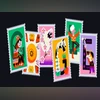
Google released a unique Doodle to celebrate 'Nowruz 2025'. Celebrated for more than 3,000 years, Nowruz is the Persian New Year and the first day of spring, signifying optimism and rebirth
 "Persian New Year or 'Nowruz 2025'")
Persian New Year or 'Nowruz 2025'
Listen to This Article
Google commemorated the arrival of the spring season with a special doodle tribute to 'Nowruz 2025', the 3,000-year-old custom marking the start of the season. This year, the Persian New Year (modern-day Iran) is celebrated on March 20. Pendar Yousefi, a guest artist, created the unique Google Doodle.
For those who may not know, Google Doodles are short-lived, artistic variations of the Google logo that appear on the search engine giant's search website. They are usually intended to honour significant historical events, holidays, or famous personalities.
All about the Persian New Year or 'Nowruz 2025'
The first day of spring and the start of the Persian New Year are marked by Nowruz, which means "New Day" in Persian. The celebration, which has its roots in Zoroastrian customs, represents rebirth, hope, and the victory of light over evil. Millions of people around the world celebrate it, and the festivities often run for 13 days.
Many places of the world, including the Middle East, the Caucasus, Central Asia, and even parts of South Asia and Europe, celebrate it. To welcome light and positivity into the New Year, families also place candles, mirrors, and goldfish alongside decorated eggs, which stand for fertility.
Setting up the Haft-Sīn table is one of the most treasured Nowruz traditions. The seven symbolic objects in this unique arrangement all start with the Persian letter "S."
• Sabzeh (sprouts or wheatgrass) – Rebirth and renewal
• Samanu (sweet wheat pudding) – Strength and prosperity
• Senjed (dried oleaster fruit – Love and wisdom
• Seer (garlic) – Health and protection
• Seeb (apple) – Beauty and good health
• Somāq (sumac berries) – Sunrise and patience
• Serkeh (vinegar) – Signifies wisdom and the passage of time.
More about the traditions and celebrations in Persian New Year or 'Nowruz 2025'
Families engage in spring cleaning, or Khāne-takāni, in anticipation of Nowruz, which is thought to drive away negative energy and provide space for new beginnings. The fire-jumping festival known as Chaharshanbe Suri, which takes place on the final Wednesday before Nowruz, is another exciting custom.
Chanting words to cleanse the bad luck of the previous year and welcome health and energy, they jump over bonfires. Visiting family and friends, receiving gifts, and indulging in traditional dishes like Ash Reshteh (a thick noodle soup) and Sabzi Polo ba Mahi (herbed rice with fish) are all part of the celebrations. Sizdeh Bedar, a day spent outside to embrace the onset of spring and establish a connection with nature, marks the festival's conclusion.
About Guest Artist Pendar Yousefi (who designed today’s Google Doodle)
The Google Translate design team is led by California-based UX designer Pendar Yousefi, who created today's Google Doodle. Breaking down language barriers and developing more inclusive digital experiences are the main goals of his work.
In addition to his work in UX design, Yousefi has a strong interest in storytelling, art, and printmaking. He just released his first children's book. With its rich cultural heritage and festive customs, Nowruz is a symbol of rebirth and solidarity that unites people from all walks of life.
More From This Section

 "International Day of Happiness")
 "Places in India to visit in April")
 "healthy food helps reducing hair loss")
 "International Day of Happiness")
 "Ice bath")
Topics : Google Doodle Iran Google India
Don't miss the most important news and views of the day. Get them on our Telegram channel
First Published: Mar 20 2025 | 10:39 AM IST