


China to EU: Russian defeat in Ukraine may push US to target Beijing next
China's Wang Yi told the EU that a Russian defeat would shift US pressure to China, denied aiding Moscow, and hinted at cutting trade dialogue in protest
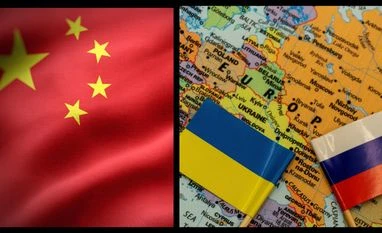 "China on Russia's war in Ukraine")
China tells EU it doesn’t want Russia to lose Ukraine war | File Photo


Listen to This Article
Chinese Foreign Minister Wang Yi told the European Union’s foreign policy chief this week that Beijing does not want to see Russia lose the war in Ukraine, according to a report by the South China Morning Post, citing several people familiar with the matter.
In what was described as a “tense” four-hour meeting with EU foreign policy chief Kaja Kallas, Wang suggested that a Russian defeat would prompt the United States to reorient its full strategic weight toward China—a scenario Beijing is determined to avoid.
The comments were reportedly delivered in a tone considered blunt and at times “lecturing”, with Wang offering what one official called a “dose of realpolitik” and “lengthy history lessons”.
China’s messaging signals tactical neutrality on Ukraine
The Chinese foreign minister’s comments are among the clearest signals yet that Beijing views the war in Ukraine through a geopolitical lens. While China officially maintains that it is “not a party” to the conflict and supports a peaceful resolution, Wang’s remarks suggest a more tactical approach—one in which a protracted war may be preferable to a Russian collapse.
These comments also mark a rare admission from China that reflects the country’s growing concerns regarding global political dynamics and its own strategic vulnerabilities.
ALSO READ | Russia won't back down from Ukraine war objectives: Putin tells Trump
Also Read


 "Chinese EV, EV chargers, Electric vehicles, EVs")
 "NITI Aayog Chief Executive Officer")
 "Donald Trump, Trump")
 "nepal flag")
China denies aiding Russia, rejects dual-use export claims
Denying direct Chinese military or financial support for Russia, Wang claimed that if China had been actively aiding Moscow, “the war would have ended long ago”. He also rejected EU accusations of dual-use exports and positioned China as a neutral actor—a claim met with scepticism in Brussels.
The report added that EU sources said the bloc presented a united front, pushing back on China’s portrayal of neutrality and reiterating the importance of upholding international law.
EU-China summit clouded by tensions over sanctions, trade
The Brussels meeting comes just weeks before a planned high-level EU-China summit, scheduled for 24–25 July in Beijing and Anhui province. However, insiders now say expectations for the summit have diminished, with Wang reportedly hinting that the agenda could be shortened in protest of recent EU trade actions.
China warns of retaliation over EU’s sanctions plan
The EU has proposed blacklisting two small Chinese banks accused of facilitating sanctions evasion for Russian entities. Wang warned of retaliation if the move proceeds, as part of the EU’s 18th sanctions package against Moscow.
Meanwhile, the EU pressed China to clarify its rare earth export policy, amid growing supply chain disruptions that have forced some European manufacturers to halt production. Wang offered no long-term commitments, saying only that export licence processing times had been reduced.
ALSO READ | Russia ramps up offensives against Ukraine as both sides seek advantage
China calls ties ‘stable’, but gap between words and reality grows
Following the meeting, China’s foreign ministry released a statement describing EU-China ties as “stable and constructive”, calling for mutual respect and shared prosperity. The statement made no mention of Ukraine, sanctions, or rare earths.
However, one diplomat told the South China Morning Post, “There’s a widening gap between what’s said publicly and what’s actually being discussed behind closed doors.”
Wang’s visit to Brussels included meetings with European Commission President Ursula von der Leyen and European Council President Antonio Costa. He will continue his European tour this week with visits to Berlin and Paris.
More From This Section
 "Donald Trump, Trump")
 "Iran, Iran flag")
 "indonesia landslide,landslide")
 "Donald Trump")
Don't miss the most important news and views of the day. Get them on our Telegram channel
First Published: Jul 04 2025 | 10:30 AM IST