


New UNSC permanent members without veto would be 'second-class': India
China, France, Russia, the UK and the US are the five permanent members of the 15-nation Security Council and enjoy veto powers
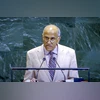
India's Permanent Representative to the UN, Ambassador Harish Parvathaneni, on Monday said the veto must be held by all permanent members of a reformed Council as long as the provision exists (Photo: PTI)
Listen to This Article
India has asserted that any reform of the UN Security Council that creates a new category of permanent members without veto powers would effectively relegate them to "second-class" status, leaving the existing five permanent powers in control of the decision-making process.
China, France, Russia, the UK and the US are the five permanent members of the 15-nation Security Council and enjoy veto powers. The Council also has 10 non-permanent members elected for two-year terms.
India's Permanent Representative to the UN, Ambassador Harish Parvathaneni, on Monday said the veto must be held by all permanent members of a reformed Council as long as the provision exists, stressing that fairness and justice demand equal rights and responsibilities for all permanent members.
"India's position on the veto is principled and well known... We reiterate that as long as the veto exists, it must be held by all permanent members of a reformed Council," he said.
Addressing the Inter-Governmental (IGN) plenary on 'Cluster Debate on the Question of the Veto' in the UN General Assembly, Parvathaneni said a reform that expands the Security Council by "creating another category of long-term members without the veto effectively makes them 'second-class' members and would not change the decision-making dynamic of the P5".
Also Read


India has consistently called for expanding both the permanent and non-permanent categories of membership, warning that reform efforts would border on "failure" if they focused solely on increasing the number of non-permanent members.
New Delhi has been at the forefront of years-long efforts to achieve reform of the Security Council, saying the body, founded in 1945, is not fit for purpose in the 21st century and does not reflect contemporary geopolitical realities.
India has consistently underscored that it rightly deserves a permanent seat at the horseshoe table.
India is also seeking a non-permanent seat for the 2028-29 term. Elections for the term are scheduled for June next year, when India and Tajikistan will contest the sole seat allocated to the Asia-Pacific Group.
India last served on the Council in 2021-22, its eighth term, having previously held seats in 1950-51, 1967-68, 1972-73, 1977-78, 1984-85, 1991-92 and 2011-12.
(Only the headline and picture of this report may have been reworked by the Business Standard staff; the rest of the content is auto-generated from a syndicated feed.)
More From This Section


Don't miss the most important news and views of the day. Get them on our Telegram channel
First Published: Oct 27 2026 | 9:08 AM IST