


Poor man's cocaine: $3 narcotic pill sold in Gulf a worry for the world
Already popular in parts of the Middle East with everyone from teenagers to low-income construction workers, the narcotic is easy to make
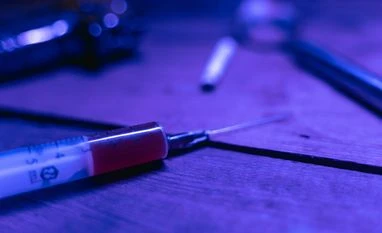 "Narcotics, drugs")
Photo: Pexels


Europe is bracing for the possible influx of a drug that’s hooked the West Asia as political shifts and crackdowns in the Gulf spur producers in Syria and Lebanon to tap new markets.
Selling for around $3 to $25 per tablet, the amphetamine-type pill captagon is primarily produced and trafficked by individuals and groups tied to Syrian President Bashar Al-Assad and his ally the Lebanese militia Hezbollah, according to the US State Department and Treasury, the UK’s Foreign Office as well as independent researchers.
Already popular in parts of the Middle East with everyone from teenagers to low-income construction workers, the narcotic is easy to make. Called “the poor man’s cocaine”, it’s reported to trigger bursts of energy and productivity, wakefulness, euphoria as well as delusions and a sense of invincibility. The drug has also been associated with militants in Iraq and Syria.
Two leading researchers at the think tank New Lines Institute estimate that captagon has generated business worth as much as $10 billion over the past three years, with most of the revenue benefiting Assad’s inner circle and allies, who remain heavily sanctioned by the West over their bloody quelling of Syria’s 2011 uprising. Assad and his government deny involvement in the manufacture and trade of captagon.
But now captagon is likely to become a threat for Europe and the rest of the world too, warn officials and experts. A crackdown by the Saudis coupled with their recent efforts to reengage Assad in order to curb flows of the drug is spurring producers to develop new routes and markets, experts say.
Also Read

“Like any illicit economy, these traffickers and smugglers are becoming much more sophisticated and advanced in trying to target new transit markets, identify new routes, and then also try and carve out new consumption markets,” said Caroline Rose, a director at the New Lines Institute, where she leads a research project on captagon trade. “They’re adapting and adopting
new methods.”
Two senior European Union officials who spoke on condition of anonymity said that intelligence reports they have seen and briefings they received from counterparts in the Middle East suggest it’s very likely that captagon flows into Europe will intensify, driven by Syria’s need for cash and Assad’s desire to export addiction and social tensions to countries that in his view harmed him.
Like the US, European powers first backed popular protests against Assad and then supported political dissidents and rebel groups that have sought to topple him. The officials, who asked not to be named because of the sensitivity of the matter, said that while captagon hasn’t become a problem in Europe yet, the issue is now on everyone’s radar with policymakers and security officials across the continent increasingly concerned about it.
In an interview with Sky News Arabia last week Assad said war, weak governance and corruption have turned Syria into a “flourishing” base for captagon manufacturing and trade but denied involvement by him or his government. He said responsibility lay with Western and regional states which “sowed chaos in Syria” by intervening on his opponents’ side.
New markets
Europe risks experiencing the same scenario that has played out in Iraq and Turkey, according to the New Lines Institute’s Rose, noting that those two countries were popular trans-shipment points for captagon but are now becoming destination markets. Iraqi authorities announced in early August that they had busted a key network after discovering the first captagon factory in July.
The threat, she said, is not just to countries in Europe’s periphery like Greece and Italy, where authorities seized more than 14 tons of captagon in 2020, but also in the centre and north where there have been numerous captagon warehouse raids in recent years.
In 2021, Austrian investigators coordinating with counterparts on four continents broke up a transnational gang bringing in captagon pills from Lebanon and Syria to Europe. The drug ring, which used a pizzeria in Salzburg as one of its hubs, was shipping captagon to Saudi Arabia inside pizza ovens and washing machines. The smugglers’ rationale was that the Saudis were less likely to search cargo from Europe.
As narcotics get trafficked through new routes, some intermediaries are paid in kind with the drug itself, creating the risk of spillover into the local market, according to a senior official familiar with the thinking of the United Nations Office on Drugs and Crime.The expanding scope of the captagon trade is also alarming the US.
Two US lawmakers introduced a bill in July to issue new sanctions against Assad with one of them describing him as “a transnational drug kingpin.”
Topics : Narcotics Middle East
Don't miss the most important news and views of the day. Get them on our Telegram channel
First Published: Aug 17 2023 | 10:03 PM IST