Home / Health / Can HIV be cured? New research shows long-term remission may be closer
Can HIV be cured? New research shows long-term remission may be closer
Early trial results show that combining antibodies and T-cells helped some people living with HIV maintain viral control for months without daily ART, raising cautious hope for long-term remission
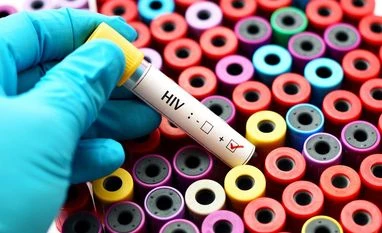
Researchers are testing new immune-based therapies that could one day reduce dependence on daily HIV medication. (Photo: AdobeStock)
New immunotherapy combining antibodies and T-cells helped some HIV-positive people keep the virus under control for months, offering early hope for treatment without lifelong pills.
A recent study published in Nature, titled Antibodies and T cells join forces for sustained HIV remission, reports what could be a milestone in HIV research. Scientists found that by giving people living with HIV a mix of broadly neutralising antibodies (bNAbs) plus immune-boosting therapy, many could stop daily antiretroviral therapy (ART) for months without the virus rebounding.
Researchers at the University of California, San Francisco (UCSF), and other collaborating institutions tested a multi-component immunotherapy in a small group of people living with HIV.
According to the study, several participants saw only a slow, low-level resurgence, and their immune systems kept the virus suppressed for months.
In a standout case, one participant remained virally suppressed for over 18 months without ART.
This suggests that the combination therapy may have retrained the body’s defences to control HIV, even without pills.
Why is this important?
For people living with HIV (over 40 million globally today), lifelong ART has transformed a once-fatal infection into a manageable chronic disease. However, there is the burden of daily pills, which includes adherence, side effects, access to medications, social stigma and cost.
Researchers say if immune-based therapies like this one can be refined and scaled, they could change what living with HIV looks like as they offer:
A future where viral control does not require daily medicine
Improved quality of life through fewer pills and fewer side effects
Reduced cost and resource burden, especially in low- and middle-income countries
A shift from constantly suppressing HIV to empowering the immune system to control it
Researchers caution that the study was very small, with only 10 people involved. There was no control group, so the exact contribution of the therapy versus other individual factors is unclear. Not all participants responded the same, as some saw viral rebound, even if slow.
What’s next for HIV-cure research?
Scientists behind the study say larger, controlled trials are the next step. They will need to test this combination therapy in more diverse groups, with longer follow-up and comparisons against standard ART.
At the same time, other research efforts continue. Around the world, scientists are testing approaches including immune-boosting therapies, gene editing and methods to flush out or silence latent virus reservoirs.
Since you're already here
…and clearly interested in your health, take a moment to explore our varied range of stories on wellness, medical research, and public health insights.

 "Can HIV be cured? New research shows long-term remission may be closer")


 Connect with us on WhatsApp