


World AIDS Day 2025: India halves new HIV cases, AIDS deaths drop over 80%
India's latest HIV report shows sharp declines in new infections, AIDS-related deaths and mother-to-child transmission, reflecting expanding testing, treatment and stronger public health systems
 "HIV AIDS")
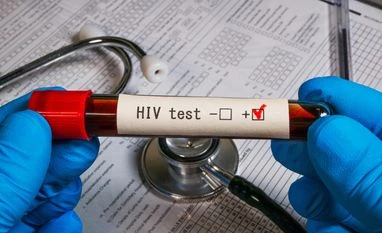
India’s HIV fight strengthens with 49 per cent fewer cases and 81 per cent fewer deaths. (Photo: AdobeStock)
Listen to This Article
India has recorded a significant decline in HIV with 49 per cent fewer infections, 81 per cent drop in AIDS-related deaths, and 75 per cent decline in mother-to-child transmission between 2010 and 2024, according to data shared by the government on Sunday to mark World AIDS Day 2025.
The report notes that these shifts are part of India’s ongoing performance under the National AIDS Control Programme (NACP).
What trends have improved the most since 2010?
According to the Ministry of Health and Family Welfare, India’s HIV trends have moved consistently in the right direction over the past fourteen years. Annual new infections have dropped from earlier highs to almost half their 2010 levels. AIDS-related mortality has seen an even sharper decline, falling by more than 80 per cent. The reduction in mother-to-child transmission reflects expanded screening and earlier treatment for pregnant women living with HIV.
What is driving these improvements?
The health ministry says that behind the numbers lies a large-scale public health initiative. HIV testing increased from 41.3 million in 2020–21 to 66.2 million in 2024–25, expanding the reach of early diagnosis. Antiretroviral therapy (ART) coverage also expanded, with the number of people on treatment increasing from 1.49 million to 1.86 million during the same period. Viral load testing, which is essential for monitoring treatment success, has nearly doubled, increasing from 890,000 to 1.59 million tests.
According to the WHO, HIV is most manageable when detected early, and with widespread testing, infections are identified sooner, allowing people to start ART quickly and prevent further damage to their immune system. Higher treatment coverage reduces AIDS-related deaths and limits onward transmission. Viral load testing helps ensure that treatment is working and that people can achieve an undetectable viral load, which is essential for both health and prevention.
Also Read

 "HIV AIDS")
 "Aravalli range")
 "Mumbai Pollution, Smog, Pollution")
 "Vote, Voter, Voting, Bihar Election, Election")
 "WeWork")
What is World AIDS Day 2025 about?
World AIDS Day, observed every year on December 1, is a moment to reflect, remember and recommit. It honours the millions of lives lost to AIDS-related illnesses, stands in solidarity with people living with HIV, and highlights the unfinished work in prevention, treatment and human rights. The 2025 theme is “Overcoming disruption, transforming the AIDS response”, which calls on countries to strengthen systems, improve access and protect the dignity of all communities affected by HIV.
For more health updates, follow #HealthWithBS
This content is for informational purposes only and is not a substitute for professional medical advice.
More From This Section
 "Sonali Bendre")
 "children, indian children, doctor")
 "sunscreen")
 "alcohol effects by age")
 "retinal scan - reveal lot about health")
Don't miss the most important news and views of the day. Get them on our Telegram channel
First Published: Dec 01 2025 | 11:16 AM IST