Home / Health / India cuts maternal, infant deaths: MMR, IMR and NMR show big gains
India cuts maternal, infant deaths: MMR, IMR and NMR show big gains
India has made progress in reducing maternal and child deaths, with SRS 2021 data showing declines in MMR, IMR, U5MR and NMR-and improving sex ratio, TFR, and SDG alignment
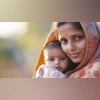
India has witnessed a significant improvement in key maternal and child health indicators between 2014 and 2021, according to a health ministry statement. (Photo: AdobeStock)
3 min read Last Updated : May 13 2025 | 9:30 PM IST
India has recorded progress in reducing maternal and child mortality, according to the Sample Registration System (SRS) Report 2021, released by the Registrar General of India (RGI) of the Ministry of Health and Family Welfare (MoHFW). The latest figures show a consistent decline in key health indicators—including Maternal Mortality Ratio (MMR), Infant Mortality Rate (IMR), Neonatal Mortality Rate (NMR), and Under-Five Mortality Rate (U5MR)—putting India ahead of global averages in some areas and on track to achieve its Sustainable Development Goal (SDG) 2030 targets.
What MMR, IMR, NMR, U5MR, TFR and sex ratio mean
Maternal mortality ratio (MMR): The number of maternal deaths during pregnancy or within 42 days of termination per 100,000 live births. A key indicator of care access and quality during childbirth.
Infant mortality rate (IMR): The number of deaths of infants under one year of age per 1,000 live births.
Neonatal mortality rate (NMR): The number of deaths within the first 28 days of life per 1,000 live births, reflecting maternal and neonatal care quality.
Under-five mortality rate (U5MR): The probability of a child dying before age five, per 1,000 live births.
Total fertility rate (TFR): The average number of children a woman would have, assuming current fertility rates remain unchanged.
Sex ratio at birth: The number of female births per 1,000 male births. A skewed ratio often indicates gender bias, per UNFPA.
According to the SRS 2021 report and the MoHFW, these gains are the result of targeted initiatives, including:
Ayushman Bharat health assurance scheme
Strengthening public health infrastructure with maternity waiting homes, maternal and child health wings, and sick newborn care units (SNCUs)
Deployment of skilled birth attendants and midwives
Evidence-based practices like antenatal corticosteroids and continuous positive airway pressure (CPAP) therapy
Digital surveillance systems for maternal and child health
MoHFW has reiterated that these programmes aim to provide free, quality care, especially to vulnerable groups, with zero tolerance for care denial. For more health updates and wellness insights, follow #HealthWithBS

 "India cuts maternal, infant deaths: MMR, IMR and NMR show big gains")


