Home / Health / Uranium and lead in Delhi groundwater: How families can stay safe today
Uranium and lead in Delhi groundwater: How families can stay safe today
Delhi's 2025 groundwater report flags higher uranium, lead, nitrate and salinity in some pockets. Here's what it means for drinking and cooking water, and steps families can take
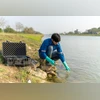
As CGWB data points to growing groundwater contamination, residents are urged to test and treat their daily water supply. (Photo: Adobestock)
6 min read Last Updated : Dec 03 2025 | 1:47 PM IST
The Capital’s groundwater is showing worrying signs of deterioration. The Central Ground Water Board’s (CGWB) latest Annual Ground Water Quality Report 2025 reveals rising levels of uranium, lead, nitrate, fluoride and salinity indicators in several parts of Delhi, a trend worse than last year. For lakhs of households dependent on borewells, hand pumps or mixed water supply, these findings raise urgent questions about daily safety.
What does the latest CGWB report say about Delhi’s groundwater quality?
The CGWB report flags a steady rise in heavy metals and chemical contaminants in multiple pockets of Delhi, especially its north-western and sub-urban belt. Key parameters showing exceedance include uranium, lead, nitrate, fluoride, and Electrical Conductivity (EC) / Sodium Adsorption Ratio (SAR), both of which indicate high salinity.
Fresh national data in the report shows that over one-third (33.33 per cent) of Delhi’s groundwater samples have very high salinity, meaning the water contains excess dissolved salts, placing the Capital among the worst-affected states. Delhi also ranks among the top regions with unsafe SAR and RSC values, signalling chemical imbalance in groundwater. Areas such as North-West Delhi, including Narela and Kanjhawala, consistently show higher contamination levels. In simple terms, this means the water can be harmful for drinking and can damage soil health, affecting crops and plants.
Uranium exceedance is described as “sporadic” at the national level, but Delhi continues to feature among the affected hotspot regions, with 13–15 per cent of samples crossing safe limits in recent testing cycles.
Activists have long warned that unchecked over-extraction, deeper borewells, and tanker-driven supply chains are making the city’s aquifers increasingly vulnerable to both naturally occurring contaminants and pollution seeping in from the surface.
Why do uranium, lead and other contaminants matter for your health?
Even small amounts of these contaminants can cause long-term harm:
Lead: Lead is a potent neurotoxin, especially harmful to children’s developing brains. Exposure can cause permanent damage, including memory issues, behavioural problems (for example, reduced attention span, hyperactivity), developmental delays, and a reduced IQ. There is no known safe level of lead exposure for children.
Uranium: The primary health concern from long-term uranium consumption in drinking water is chemical toxicity, specifically kidney damage. Prolonged intake is also associated with a slightly increased risk of certain cancers, such as kidney or urinary tract cancers.
Nitrate: High levels of nitrate in drinking water used for infant formula can cause methaemoglobinaemia, commonly known as “blue baby syndrome”. Infants under six months are most vulnerable.
Fluoride: Long-term, excessive intake of fluoride can lead to dental fluorosis (tooth mottling/discolouration) during tooth development in childhood, and skeletal fluorosis in both children and adults, causing bone and joint pain, stiffness, and in severe cases, crippling bone deformities and neurological complications.
Salinity: High sodium intake from highly saline water may worsen hypertension in sensitive individuals and can cause stomach discomfort. While it can affect heart health in vulnerable groups, high salinity itself is often an indicator of high levels of specific ions that cause these problems, rather than a direct cause of heart issues on its own.
What can residents do right now to reduce risk at home?
A. How do you check if your water source is high-risk?
If your home depends on:
Borewells
Hand pumps
Private tankers
You fall in the highest-risk group. Even piped-water colonies with mixed supply should remain cautious.
B. When should you get your water tested, and what should you test for?
You can get your water tested through private labs with doorstep sample collection or government-approved testing centres. Book a test, provide a sample (or have it collected), and receive a report with analysis and basic guidance on next steps.
At least once a year, or twice if fully groundwater-dependent, test for:
Uranium
Lead
Nitrate
Fluoride
EC / TDS (Total Dissolved Solids)
SAR / RSC (Residual Sodium Carbonate)
C. Which filters actually remove uranium, lead and nitrates?
Effective technologies:
RO (Reverse Osmosis) – Reduces heavy metals, nitrate, uranium and salinity
Activated alumina – Effective for fluoride
Ion exchange resins – Useful for lead and heavy metals
Ineffective methods:
Boiling – Does not remove metals; increases TDS
Carbon candles alone – Ineffective at removing heavy metals, nitrates, fluoride, and other hard minerals
Chlorination – Not effective for removing heavy metals or chemical pollutants
D. What extra precautions should infants, pregnant women and kidney patients take?
Infants:
Don’t use borewell/hand-pump water for formula or baby food
Use RO-treated or bottled water only
Avoid high-nitrate or salty water even for boiling food
Pregnant women:
Stick to tested, treated or bottled water
If your area uses borewell water, get it tested at least once a year
Kidney patients:
Never drink untreated borewell/hand-pump water
Use RO water, especially in areas with uranium or fluoride issues
Switch to bottled water if your purifier isn’t working
E. What low-cost steps can reduce exposure quickly?
Use community RO kiosks, especially in high-risk sub-urban zones
Prefer treated water where available
Flush taps for 30–60 seconds every morning to remove stagnant high-metal water
Avoid using contaminated groundwater for cooking or baby food
F. What borewell maintenance steps matter most?
Annual desilting – Get the borewell cleaned once a year
Ensure the outer casing is sealed properly, to prevent mixing of contaminated layers
Routine pipe inspection
Keep an eye on TDS/EC levels to spot rising contamination
What are civil society groups and authorities asking for next?
Civil society groups are calling for:
Mandatory public disclosure of groundwater testing in all districts
Rapid expansion of pipelines for treated water in rural and unauthorised colonies
Strict monitoring of industrial discharge zones
CGWB’s alerts also recommend better local mitigation, hydrogeochemical mapping and targeted treatment infrastructure. “Continued surveillance, source protection, and community awareness are critical to ensuring long-term groundwater sustainability and public health safety,” said the report.
What comes next for Delhi’s groundwater crisis?
Experts say Delhi needs a long-term aquifer protection strategy, including:
Controlled groundwater extraction
Better rainwater harvesting
Hotspot-specific treatment plants
Expanded monitoring and public reporting
Stronger enforcement on industries and unauthorised drilling
As contamination trends worsen year on year, safeguarding groundwater is no longer optional; it is a public-health imperative.


 "Uranium and lead in Delhi groundwater: How families can stay safe today")

