


Motown crisis: Deafening silence at Pimpri-Chinchwad's auto parts units
The first of a 3-part series captures how declining sales and job losses have hit companies in Pimpri-Chinchwad, an automobile hub bordering Pune
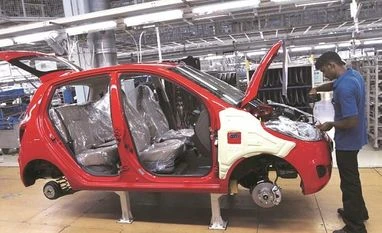 "Motown crisis: Deafening silence at Pimpri-Chinchwad's auto parts units")
premium


There’s an eerie silence on the dimly-lit shop floors of most small-and medium-scale auto component makers in Maharashtra’s Pimpri-Chinchwad belt — a major auto cluster in western India that houses close to 12,000 manufacturing units. Trucks loaded with parts stand motionless at the factory gates. They cannot be dispatched as Tata Motors’ factory is on a temporary shutdown. Most SMEs in the region count the company among key customers.
Tata Motors’ plant at Pimpri manufactures passenger vehicles and light commercial vehicles (LCVs). But it’s not the truck market leader alone that has affected them adversely. Deep production cuts and block closures (temporary shutdowns to correct inventory) at all other commercial vehicle (CV) makers, such as Ashok Leyland, Volvo Eicher Commercial Vehicles (VECV), Bharat Benz, and Mahindra & Mahindra, have also hurt them. Many of them have had to lay off 10 to 15 per cent of their contract workers to rein in costs and tide over the current slowdown.
In an unprecedented move, most CV companies closed their plants for 25 working days last month, says Rajan Wadhera, president, Society of Indian Automobile Manufacturers (Siam). “Small scale auto component firms of CV makers are bleeding and will shut shop if the slowdown continues,” he said.
Tata Motors’ plant at Pimpri manufactures passenger vehicles and light commercial vehicles (LCVs). But it’s not the truck market leader alone that has affected them adversely. Deep production cuts and block closures (temporary shutdowns to correct inventory) at all other commercial vehicle (CV) makers, such as Ashok Leyland, Volvo Eicher Commercial Vehicles (VECV), Bharat Benz, and Mahindra & Mahindra, have also hurt them. Many of them have had to lay off 10 to 15 per cent of their contract workers to rein in costs and tide over the current slowdown.
In an unprecedented move, most CV companies closed their plants for 25 working days last month, says Rajan Wadhera, president, Society of Indian Automobile Manufacturers (Siam). “Small scale auto component firms of CV makers are bleeding and will shut shop if the slowdown continues,” he said.
Topics : automobile sales automobile sector