


My favourite campaign is 'Tap Project' by David Droga: Anil S Nair
Communication has to change beliefs and behaviour and get some action done which this campaign did
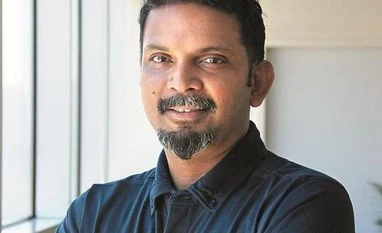 "Anil S Nair CEO and managing partner, L & K Saatchi & Saatchi India")
premium
Anil S Nair CEO and managing partner, L & K Saatchi & Saatchi India
Which is your favourite campaign and why?
My all-time favourite project is a campaign called the Tap Project done by David Droga, one of the most well-known creative in the industry, and launched in 2007-08. His agency Droga5 has done many iconic campaigns but I have chosen its Tap Project for United Nations Children’s Fund (Unicef) because it was way ahead of its time and it got people involved in the campaign.
In New York and many other parts of the developed world water is potable, that is, you can drink off the tap, and people didn’t really believe that a water crisis is coming up in the world. But the reality is that there are a lot of people dying due to the lack of clean drinking water. Instead of running a usual campaign telling people about the lack of water or preaching them to conserve water, David realised it might not affect them in the manner he intended to. To make it more participatory and induce action, he created a campaign which basically asked people to pay for tap water. He tied up with restaurants around the US and suddenly, the waiters started asking customers if they were willing to buy tap water for $1. And then when the water arrived on the table, it came with the information that the $1 charged will be contributed to people who are facing a water crisis. It became a massive, crowd-funded initiative.
It became fashionable in the US to ask for tap water instead of bottled water because people could make contributions to a cause. So, they started getting involved, caring and talking about the water crisis.
So while it had already become a movement like going vegan or opting for only organic, David did the unthinkable. He started challenging the agencies around the world saying, “okay, whichever agency is going to take this forward, we are going to support them.” So, other creative forces in different parts of the world came together and started running their versions in their respective cities of a campaign that was primarily targeted at the Western markets. He raised awareness and raised money at the same time.
My all-time favourite project is a campaign called the Tap Project done by David Droga, one of the most well-known creative in the industry, and launched in 2007-08. His agency Droga5 has done many iconic campaigns but I have chosen its Tap Project for United Nations Children’s Fund (Unicef) because it was way ahead of its time and it got people involved in the campaign.
In New York and many other parts of the developed world water is potable, that is, you can drink off the tap, and people didn’t really believe that a water crisis is coming up in the world. But the reality is that there are a lot of people dying due to the lack of clean drinking water. Instead of running a usual campaign telling people about the lack of water or preaching them to conserve water, David realised it might not affect them in the manner he intended to. To make it more participatory and induce action, he created a campaign which basically asked people to pay for tap water. He tied up with restaurants around the US and suddenly, the waiters started asking customers if they were willing to buy tap water for $1. And then when the water arrived on the table, it came with the information that the $1 charged will be contributed to people who are facing a water crisis. It became a massive, crowd-funded initiative.
It became fashionable in the US to ask for tap water instead of bottled water because people could make contributions to a cause. So, they started getting involved, caring and talking about the water crisis.
So while it had already become a movement like going vegan or opting for only organic, David did the unthinkable. He started challenging the agencies around the world saying, “okay, whichever agency is going to take this forward, we are going to support them.” So, other creative forces in different parts of the world came together and started running their versions in their respective cities of a campaign that was primarily targeted at the Western markets. He raised awareness and raised money at the same time.