At current levels of inflation, the real return from debt is very low. Hence, domestic investors will be tempted to stay overweight or go even more overweight in equity and other risky assets. Also, the cost of funding EMI-driven consumption, such as new vehicles or even housing, is relatively low at current real interest rates. This might induce some big-ticket spending even though consumers are suffering from the second wave. The MPC statement points out that there is a sequential decline in demand, especially rural demand in April. Low interest rates and easy money could help counter this to some extent.
On the inflation front, the monsoon promises to be normal. The harvest has been good. The issues with potential food inflation are due to logistical reasons. The second wave has made it difficult for farmers to collect harvest and transport food. The fuel-related inflation is due to the global economic activity recovering quickly and there could be more cost-push factors if other imports also become more expensive. But RBI cannot do much about this — it is more a question of policy decisions about tariffs as it remarked.
RBI projects inflation to stay in the 5.2 per cent zone through the current fiscal. There is little alternative to the current policy even though easy liquidity and low rates can fuel inflation. Any interest rate hikes or tighter money supply would choke the economy and add to consumer distress.
The central bank will have to manage the exchange rate carefully, however. The current inflation rates in India and in the US are very close, which is unusual and this is a possible danger signal. If roughly the same returns are available from rupee and hard-currency, there is an incentive for FPIs to shift away from rupee-denominated assets. But after selling through April and May, FPIs have bought heavily in the first few sessions of June. If India’s inflation spikes, however, the rupee may come under pressure. In that case, RBI would have to let it lose some ground in a controlled fashion.
Base effects should drive up GDP growth in FY22 to average out at a positive 9.5 per cent growth for the full year, according to RBI. This is higher than projections of about 8 per cent from SBI and 7-8 per cent from other economists.


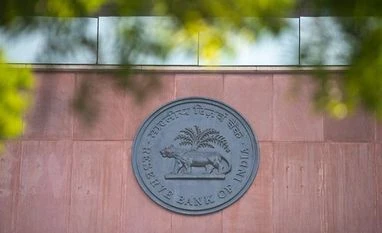 "RBI, Reserve Bank of India")