


Rains likely by Dec 10 in north, central and western India
According to IMD data from October 1 to December 2, winter rains over Madhya Pradesh, Rajasthan, Punjab, and Haryana, Vidharbha, and Marathwada have been 60 to 80 per cent below normal
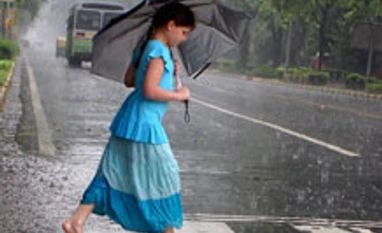 "Rains likely by Dec 10 in north, central and western India")
The current prolonged dry spell over much of northern and central parts of the country might end by December 10, as the result of a confluence of a western disturbance coming from the hills and wet trough emanating from the Gujarat coast, weathermen said.
The confluence will lead to fairly widespread rains over the plains of north India, which comprises Punjab, Haryana and Uttar Pradesh and also in central India including states like Madhya Pradesh, Gujarat and east Rajasthan from December 10 onwards.
"The dry spell in north India would be broken due to rains caused by western disturbance from December 10 to 12," B P Yadav, director at the India Meteorological Department (IMD) told Business Standard.

The rains over northern India might aid in speeding up the sowing of rabi crops, mainly wheat, which has dropped much below last year's levels because of the extended dry spell.
According to IMD data from October 1 to December 2, winter rains over Madhya Pradesh, Rajasthan, Punjab, and Haryana, Vidharbha, and Marathwada have been 60 to 80 per cent below normal.
According to the last crop sowing data released by the Department of Agriculture on Friday, wheat has been sown in around 15.25 million hectares, almost 27 per cent lower than the area covered during the same period last year.
This is also 21 per cent lower than the normal area that gets covered during the same period
"There is a possibility of affect on yield because of high temperatures," news agency Press Trust of India reported, quoting Indu Sharma, director of Directorate of Wheat Research.
In total, rabi crops have been sown in around 37.02 million hectares, over 15 per cent less than the same period last year.
"The temperatures might drop by at least 1-2 degree Celsius after this spell of rains over North, Central and parts of western India," Mahesh Palawat, chief meteorologist at Skymet Weather services said.
He said overall the trend shows that winters this year in the country might not be very intense and temperatures would remain near normal for most of the days.
"Though, there would some days when temperatures might drop sharply, but they would be less and intense winters is not expected this year," Palawat said.
Don't miss the most important news and views of the day. Get them on our Telegram channel
First Published: Dec 05 2015 | 11:02 PM IST