 "Oil India likely to exit US, Russia blocks; to stay in Venezuela")
The sources for the story were interviewed by Vishal M for Global Voices
Republished with permission from Global Voices


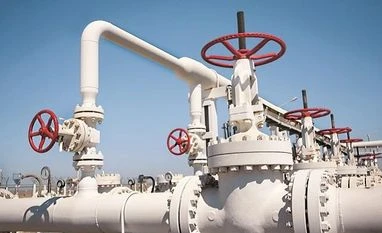
Representative image
In March 2019, following large protests from farmers and environmental activists, the Indian government moved a planned $44 billion ‘green’ oil refinery project out of the ecologically sensitive Nanar region in Ratnagiri on the Konkan coast. Recently, calls from pro-refinery supporters to bring the project back to Ratnagiri have stoked fears among activists and farmers that the project will be reinstated in the area, causing damage to the environment and affecting livelihoods.
The joint venture between Saudi Arabian oil companies, Aramco and Adnoc, and Indian companies, Indian Oil Corporation, Bharat Petroleum Corporation, and Hindustan Petroleum Corporation was originally relocated following protests from locals and activists who were critical of India's continued investment in fossil fuels. The project was moved to Raigad, 100 kilometers from India's financial capital, Mumbai, as the government announced acquiring 40 villages to kick-start the project.
On 28 July 2019, pro-refinery group Konkan Vikas Samiti (KVS) held a rally demanding that the project be reinstated in Ratnagiri, citing the economic opportunities it would bring to local communities.
A counter-protest was then held in response by an anti-refinery group to prevent the project. Activists claim India's land acquisition acts were misused to get lands for the project from farmers. For Satyajit Chavan, convenor of Konkan Refinery Virodhi Sangharsh Samiti, the umbrella body leading the protests, reviving the oil refinery project would spell trouble for the region: