At the time there were two types of industrial enterprises in India. One was the domestically conceived relatively low-tech manufacturing business and the other was the joint ventures with global giants which were into higher technology products. Red tape was at its highest and the number of processes in the bureaucracy was intimidating if not terrifying. Some entrepreneurs gave up trying, some spent most of the time frequenting Delhi than concentrating on their business and foreign investors tried to enter the country on their own and gave up due to the bureaucratic hurdles. At RPG we had nearly fourteen joint ventures with Fortune 500 companies. Lenders were all public sector banks and development banks led the pack.
All that changed in 1991. Soon we began to see FIIs open boutique offices in Mumbai’s business centre around Nariman Point. Well laid out modern offices with bankers in pin stripes became the talk of the town. No company worth its salt could resist the temptation to engage with these new boys on the block. Red herring prospectuses were seen all over the place as IPOs debuted on Dalal Street on a daily basis. Forms were being handed out at every street corner. The financial dailies which were barely surviving those days became energized. Foreign exchange gurus became precious commodities as wide-eyed finance professionals contemplated the implications of current account convertibility. It became a dynamic place to be in.
As a highly diversified business group, we had to quickly adapt to the new scenario. Besides a lot of internal brainstorming, we took the help of McKinsey to rehash our portfolio and make it future-ready. The end-result was a set of extremely difficult choices that we had to make. Exit about a dozen businesses and focus on a handful few core areas. The logic was that in the liberalized scenario, it will be important to have scale to compete globally and if you were not amongst the top tier in each sector, one would perish or be devoured by a larger player. We ended all our joint ventures amicably with our partners except for one which still continues its healthy journey today. The decision proved to be right going by the evolution of business in India over the past two decades. The only addition for us was IT which took Indian industry to a new level and the credit for which again goes to the reforms of 1991. Looking back, if India is now considered having the potential to be amongst the leading economies of the world, the 1991 reforms was without doubt the event that made it possible.
(Harsh Goenka is the Chairman of RPG Enterprises. The views expressed in this article are the author’s own.)


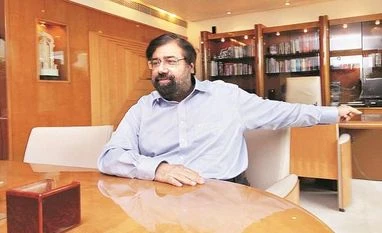 "Harsh Goenka")