


Note Ban logic: Clean Money, return of the raid brigade
The tax department has been creating psychological profiles of select people on its radar since demonetisation
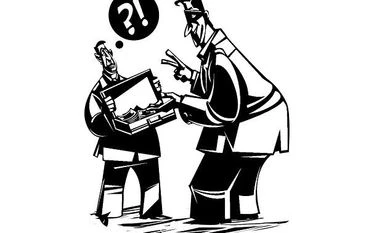 "Note Ban, Demonetisation")
premium
According to the department, almost 1.8 million people across India were asked to explain the source of their deposits.
One of the first justifications given by Prime Minister Narendra Modi for knocking 86 per cent of the Indian currency out of circulation last year was curbing the dominance of black or unaccounted money in the economy. While the return of a significant amount of money into the banking system might have raised doubts over the black money motive, there seems to be growing enthusiasm among income-tax investigators to raid those suspected of possessing unaccounted money. However, the rise in the number of raids hasn’t seen a corresponding increase in the money seized.
Tax investigators searched over a thousand so-called ‘groups’ in 2016-17 and managed to seize about Rs 1 crore on an average from each of them. The number of groups raided rose almost 84 per cent since the Modi government assumed power in 2014. During the raids, almost Rs 19,000 crore was either detected by tax investigators or admitted by those being raided during questioning.
There also seems to have been an enhanced surveillance push and tax crackdown since demonetisation. According to the Ministry of Finance, 56 people have been put under Central Bureau of Investigation or Enforcement Department probe. More than 6,400 people who were surveyed admitted to holding unaccounted wealth worth about Rs 7,000 crore. Half a million cases have been earmarked for further verification by the tax department. About 850,000 people have been classified as high-risk individuals.
All of this has been carried out under the ambit of ‘Operation Clean Money’ launched in December last year. Two yet unknown companies were given the contract in March 2017 to mine millions of bits of information on the nature of deposits made after the currency ban. What gives this a tinge of surveillance is the fact that the job of these two contractors wasn’t just limited to analysing data regarding deposits of currency into bank accounts from the morning of November 9, 2016. One of the tasks set forth in the request for proposal was to “conduct fund tracking on transactional data for high-risk cases if no response was received from the depositor.”
Tax investigators searched over a thousand so-called ‘groups’ in 2016-17 and managed to seize about Rs 1 crore on an average from each of them. The number of groups raided rose almost 84 per cent since the Modi government assumed power in 2014. During the raids, almost Rs 19,000 crore was either detected by tax investigators or admitted by those being raided during questioning.
There also seems to have been an enhanced surveillance push and tax crackdown since demonetisation. According to the Ministry of Finance, 56 people have been put under Central Bureau of Investigation or Enforcement Department probe. More than 6,400 people who were surveyed admitted to holding unaccounted wealth worth about Rs 7,000 crore. Half a million cases have been earmarked for further verification by the tax department. About 850,000 people have been classified as high-risk individuals.
All of this has been carried out under the ambit of ‘Operation Clean Money’ launched in December last year. Two yet unknown companies were given the contract in March 2017 to mine millions of bits of information on the nature of deposits made after the currency ban. What gives this a tinge of surveillance is the fact that the job of these two contractors wasn’t just limited to analysing data regarding deposits of currency into bank accounts from the morning of November 9, 2016. One of the tasks set forth in the request for proposal was to “conduct fund tracking on transactional data for high-risk cases if no response was received from the depositor.”
According to the department, almost 1.8 million people across India were asked to explain the source of their deposits.