


Lok Sabha election: Rural distress, PM-KISAN may set winners in 290 seats
'Rural' and 'semi-rural' seats account for over 80% of the total 513 Lok Sabha constituencies for which data was analysed
 "Farm")
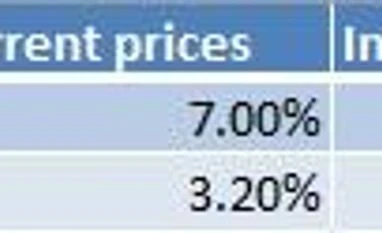
According to Second Advance Estimates of National Income 2018-19. Source: CSO
The higher a constituency's rural population, the greater would be the proportion of its electors who earn their livelihood from agriculture and might decide who to vote for based on agrarian issues.
Of the 282 seats that the Bharatiya Janata Party (BJP) won in the 2014 elections, 267 seats were among the 513 categorised ones. Of those 267 seats, 156 were rural (around 58.42 per cent) and 69 semi-rural. Of the 39 categorised seats that the Indian National Congress (INC) won — it bagged 44 in total — 24 were rural (61.53 per cent) and eight semi-rural constituencies. (See table: Rural and semi-rural seats won by major parties). Rural seats clearly formed the bedrock of BJP's victory in 2014.
The number of semi-urban Lok Sabha seats in which the urban population is greater than or equal to 50 per cent but less than 75 per cent, stood at 46. Urban seats, with 75 per cent or more urban population, also numbered 46. Thirty constituencies from Union Territories, including Delhi, and the states of Jammu and Kashmir, Manipur, Meghalaya, Mizoram, Nagaland, Sikkim, Arunachal Pradesh, and Tripura were not part of the data set. Data for individual constituencies was sourced from Datanet India's Constituency Factbook.
Gross value added for agriculture and allied activities
However, the electoral outcomes in some of these states will also depend on political alliances, along with other poll planks such as national security and unemployment.
Working out the alliance math
The bellwether state, Uttar Pradesh, has seen a coming together of the Samajwadi Party (SP), Bahujan Samaj Party (BSP) and Rashtriya Lok Dal (RLD) against the BJP. An alliance between these parties and the Congress, however, could not materialise, and SP chief Akhilesh Yadav told news agencies last week that it was "too late now", as the seat-sharing had been finalised.
The Congress, for its part, has reportedly announced that it will leave more than a dozen Lok Sabha seats for other parties, including seven seats for the SP-BSP-RLD alliance in the state. The Congress also said it will leave two seats for the Apna Dal. Further, it has entered into an electoral agreement with the Jan Adhikar Party.
The Apna Dal's Krishna Patel faction has forged an alliance with the Congress and finalised a seat-sharing arrangement in Uttar Pradesh. Meanwhile, Apna Dal (S), a faction led by Anupriya Patel, had entered into an alliance with BJP and will be contesting on two seats in the state.
In the second bellwether state, Maharashtra, the BJP and the Shiv Sena overcame their strained ties last month and announced a seat-sharing pact for the Lok Sabha and Assembly elections in Maharashtra. Out of the total 48 Lok Sabha seats in Maharashtra, the BJP will contest 25 seats and the Shiv Sena 23. Meanwhile, the Nationalist Congress Party (NCP) and the Congress have also finalised a seat-sharing agreement for their alliance in Maharashtra.
In Bihar, the three NDA constituents -- the BJP, Janata Dal (United) (JD(U)) and Lok Janshakti Party (LJP) -- have announced the names of candidates for the state's 40 Lok Sabha constituencies. The BJP and the JD(U) will contest 17 seats each, while the LJP will contest in six. Meanwhile, the Rashtriya Janata Dal (RJD) is not ready to give more than eight Lok Sabha seats to the Congress, which has already announced candidates for 11 seats, news agencies have reported, citing unnamed sources. The two 'Mahagathbandhan' parties have reportedly not arrived at a conclusion over seat sharing in Bihar. The RJD, Congress, Rashtriya Lok Samta Party, Hindustani Awam Morcha, Lok Jantrantrik Dal and Vikas Sheel Insaan Party constitute the grand alliance formed by the Opposition in the state.
In Tamil Nadu, the AIADMK-led NDA alliance includes the BJP, Pattali Makkal Katchi, Desiya Murpokku Dravida Kazhagam, Puthiya Neethi Katchi and Puthiya Tamizhagam as its constituents. On the other hand, the DMK-led alliance in Tamil Nadu, christened the 'Secular Progressive Alliance', consists of the Congress, Communist Party of India (Marxist), Communist Party of India, Vaiko-led Marumalarchi Dravida Munnetra Kazhagam, Indian Union Muslim League, Viduthalai Chiruthaigal Katchi, Kongunadu Makkal Desiya Katchi, and Indiya Jananayaga Katchi.
The proposed Congress-CPI(M) alliance in West Bengal reportedly fell apart on Tuesday, setting the stage for a four-cornered contest in which the main contenders are the Trinamool Congress and the BJP. The Congress on Wednesday decided to leave five seats for the Left Front in the state. However, the Grand Old Party said that it would field candidates in the two seats won by the Left parties in the 2014 general elections. The Congress has announced candidates for 11 West Bengal constituencies, including the CPI(M)-held Murshidabad and Raiganj seats.