This current classification of banks as domestic systemically important banks is based on the data collected from banks as on March 31, 2021.
Under bucket 1, banks require 0.2 per cent of additional common equity Tier 1 capital as a percentage of risk weighted assets (RWAs), and under bucket 3, banks require 0.6 per cent of additional common equity Tier 1 capital as a percentage of RWAs.
Essentially, systemically important banks are the ones which are perceived as too big to fail. Such a perception creates an expectation of of government support for these banks at the time of distress.
Last year also, these three banks were identified as domestic systemically important banks and were placed in the same buckets as this year. Earlier, in 2015 and 2016, RBI had classified SBI and ICICI Bank as D-SIBs. Further, based on data collected from banks as on March 31, 2017, HDFC Bank was also classified as a D-SIB, along with SBI and ICICI Bank.
The RBI guidelines say based on the bucket in which a D-SIB is placed, an additional common equity requirement has to be applied to it. In case a foreign bank having branch presence in India is a Global Systemically Important Bank (G-SIB), it has to maintain additional common equity Tier 1 capital surcharge in India as applicable to it as a G-SIB, proportionate to its RWAs in India.


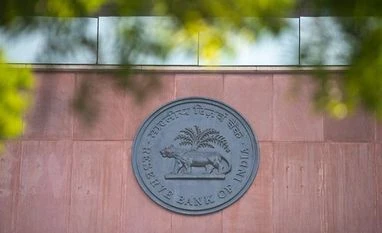 "RBI, Reserve Bank of India")