


RBI likely to go against convention on raising funds through bonds
This gives credence to the theory that the central bank may not want to issue a fresh set of 10-year paper in a hurry and would rather continue with the existing security
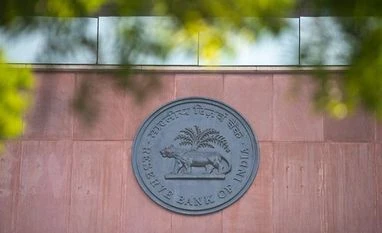 "RBI, Reserve Bank of India")
premium
Generally, a fresh set of bonds is announced after about Rs 1.2 trillion is raised against a security, but this is possibly the only case where that limit has been breached
The Reserve Bank of India (RBI) will use the existing 10-year bond to raise at least Rs 14,000 crore from the markets on Friday, taking the outstanding of the paper to more than Rs 1.33 trillion, possibly the highest ever amount raised against a security.