


Economic self-harm
Self-reliance cannot be a superior alternative to open trade
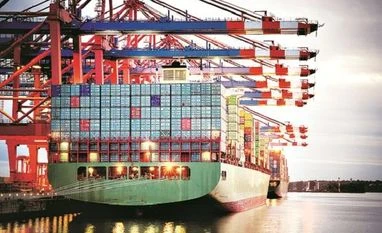 "Import, Export, trade, protectionism, Free Trade agreements, deals, FTA, Shipping, Sea ways, Sea transport, Water ways, Water transportGrowth, Economy")
premium
In just a year since India pulled out, at the eleventh hour, of negotiations to conclude the Regional Comprehensive Economic Partnership (RCEP) trade agreement, the overall trade environment for India has undergone a sea change. For one, the other nations involved in the RCEP — Association of Southeast Asian Nations (Asean), alongside Japan, China, South Korea, Australia, and New Zealand — have gone forward and signed the pact. For another, the government’s own policies have turned markedly protectionist, with a series of import tariffs, restrictions, and production-linked incentives now ring-fencing a number of sectors — making it even harder to join any meaningful trading bloc. While the RCEP is a much shallower agreement than many alternatives — the successor to the Trans Pacific Partnership focuses much more effectively on 21st-century “behind-the-border” barriers to trade than the very 20th-century RCEP— it will nevertheless have a big impact on the region and on India’s existing trading partners. Asean estimates that over two-thirds of the goods currently being traded in the RCEP countries will eventually be without tariffs and quotas. Rules about place of origin and other such regulations will be simplified, allowing for more effective and robust supply chains within the RCEP countries.