


Problem of plenty
Procurement alone will not address farm woes
 "Farmer, Crop, Farming, Kharif crop")
premium
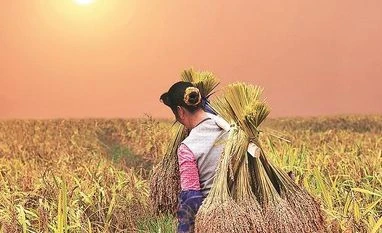
Going by the preliminary estimates released by the agriculture ministry, the country is poised for another record kharif grain harvest of over 150.5 million tonnes. The previous best was 149.5 million tonnes last year. This should help contain inflation, especially food inflation. But there is a downside to it as well. The over-supply, if not managed well, may depress the rates of farm goods to below the government-fixed lowest threshold — the minimum support prices (MSPs) —particularly when fresh produce starts arriving in the market. That would hurt the interests of the farmers, who are agitating for making MSPs legally binding, along with their other main demand for annulling the controversial farm laws. Even now, the mandi prices of eight of the 12 major crops grown in the kharif season are ruling below their respective MSPs. The only four commodities fetching remunerative returns for growers are cotton, whose acreage has shrunk due to unfavourable weather; pigeon pea (Tur), the maximum consumed variety of pulses; and the high-end oilseeds like groundnut and soybean. However, the prices of these oilseeds may also face downward pressure, thanks to the government’s move to reduce import duties on palm oil just ahead of the domestic harvest.