Seventy two years old and immaculately turned out in a white khadi kurta and green silk jacket, he drove up to us on a motorcycle as we were walking through the paddy fields around the village. He introduced himself as Nizamuddin Khan, village pradhan. We exchanged pleasantries and he said genially, “you’ve caught me on my daily round of the village. As the pradhan, I’m overseeing the construction of an internal road at the moment”. Impressed with the old man’s proactiveness and zeal, we followed him to the construction site to observe him go about his daily business.
Chairs were placed in a shady nook and soon a group formed around Khan. After only a few minutes, I realised something was amiss. Every time someone needed the pradhan’s signature or stamp, he asked them to come to his house instead of doing it right away. It turned out, when I ask, that it was his wife who was the pradhan, and not he.
My face must have reflected my incredulity for he hastened to explain. “Think about it, ladies stay at home,” he said, seemingly unconcerned that he was talking to a woman. “They don’t know anything about the world outside to make informed decisions about it.” Apparently, since the day she was elected, Khan had made every decision on her behalf. “My wife is happy to handle the home and hearth,” he said. “I have taken on the pradhan’s duties which I’m more suited for anyway.”
This was why the public had, he asserted, voted for him, not her. “It was just that since the seat was reserved for a lady, we put her name on the ticket.” Khan said. In other villages where the pradhan’s seat was reserved for women, he said, not only do the female candidates come out to campaign, they also had their photographs placed on leaflets that were circulated in the village. “But if you ask anybody in my village,” he said rather proudly, “no one has even seen her face — whether in a campaign leaflet or in person.”
Was he not subverting democracy by not letting his wife fulfil the role that she had been elected for, I asked. Khan smiled: “The government has instituted all sorts of policies, including reserving seats for women,” he said. “But people will do what they believe is right.”
Ever since my encounter with the “first husband” of Maheshpur, I’ve developed a sneaking suspicion that as long as we keep implementing gender-based reservations without working on attitude change, gender equality will continue to seem as distant as Maheshpur is from the rest of India.


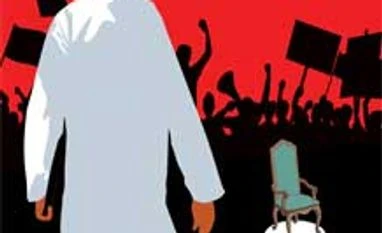 "The ‘first husband’ of Maheshpur")