


The Rohingya crisis: Past and present
The Modi government, like its predecessors, is balancing India's security interests in Myanmar against humanitarian considerations on the Rohingya exodus out of Rakhine state
 "Rohingyas, Rohingya")
premium
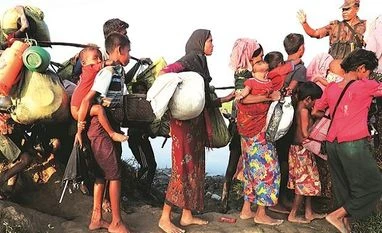
The common cause attributed to the statelessness of Rohingyas under Myanmar’s 1948 citizenship law and decades of persecution or conflict is generations-old ethnic animosity between migrant Bengali Muslims and native Buddhists. Photo: Reuters
On the night of December 6, 1992, a cable went out from the Ministry of External Affairs (MEA) to Indian diplomatic missions abroad cautioning them that Pakistan might try to exploit the situation after the demolition of Babri Masjid, especially urging them to be on their guard against violence directed at Indian properties and interests.
In two foreign capitals, response to the cable was swift and decisive when the heads of missions conveyed New Delhi’s concerns at very high levels in their host governments. The army, which ruled Myanmar with a firm hand, was extremely sensitive to India’s apprehensions. The uniformed generals in Yangon immediately despatched their most feared enforcers to Sittwe, capital of Rakhine state, which is now in the headlines daily and is featured prominently on television screens the world over because of an exodus of Rohingya refugees to wherever they can find shelter.
All over Rakhine state, these trained enforcers, aided by heavily armed back-up personnel in uniform, rounded up Islamic preachers and brought them to Sittwe. In the provincial capital, these mullahs were told by officers what would happen to them if they uttered even a word about Babri Masjid in their Friday sermons. The preachers knew very well from past experience that these enforcers could be true to their word.
In two foreign capitals, response to the cable was swift and decisive when the heads of missions conveyed New Delhi’s concerns at very high levels in their host governments. The army, which ruled Myanmar with a firm hand, was extremely sensitive to India’s apprehensions. The uniformed generals in Yangon immediately despatched their most feared enforcers to Sittwe, capital of Rakhine state, which is now in the headlines daily and is featured prominently on television screens the world over because of an exodus of Rohingya refugees to wherever they can find shelter.
All over Rakhine state, these trained enforcers, aided by heavily armed back-up personnel in uniform, rounded up Islamic preachers and brought them to Sittwe. In the provincial capital, these mullahs were told by officers what would happen to them if they uttered even a word about Babri Masjid in their Friday sermons. The preachers knew very well from past experience that these enforcers could be true to their word.
The common cause attributed to the statelessness of Rohingyas under Myanmar’s 1948 citizenship law and decades of persecution or conflict is generations-old ethnic animosity between migrant Bengali Muslims and native Buddhists. Photo: Reuters
Disclaimer: These are personal views of the writer. They do not necessarily reflect the opinion of www.business-standard.com or the Business Standard newspaper