


CMAI warns GST hike on apparel above ₹2,500 to be 'death knell' for sector
CMAI has opposed reports of a GST hike on garments above ₹2,500 to 18%, warning it will hurt middle-class consumers, traditional crafts and an industry hit by tariff wars
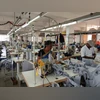 "apparel industry")
The proposed rate hike, CMAI said, would also hurt traditional and artisan-made clothing


Listen to This Article
Ahead of the GST Council meeting, the Clothing Manufacturers Association of India (CMAI) has raised alarm over reports that garments priced above ₹2,500 may be moved to the 18 per cent GST slab from the current 12 per cent. The industry body warned that “this will spell a death-knell for the industry already reeling under the crisis of the American tariff wars.”
According to CMAI, if the Council fixes ₹2,500 as the cut-off for the 5 per cent slab and shifts all garments priced above that into the 18 per cent bracket, it would amount to “a cruel blow to the aspiring middle class and the organised garment sector, which is the worst affected by the tariff wars.” The association argued that these are not luxury items, but garments priced higher due to raw materials and handwork.
Illustrating the fallout, CMAI said “almost the entire range of woollen garments, essential for the middle class in North, North-East and East India, is priced between ₹3,500 and ₹7,000. Putting such garments in the 18 per cent slab will mean asking middle-class Indians not to wear woollen clothes during bitterly cold winters.” Wedding attire too, it noted, would become significantly more expensive, even for lower middle-class families. “Putting these clothes in the 18 per cent slab will result in parents compelled to make inferior clothing for their favourite child on their favourite day,” the association added.
The proposed rate hike, CMAI said, would also hurt traditional and artisan-made clothing. “Putting these garments in the 18 per cent slab will kill traditional craft and hit the artisan community hard,” it warned, adding that efforts to formalise the sector would be undermined, pushing many players back into informality.
With the apparel industry already facing “an unprecedented crisis with the US tariff wars,” the association said the domestic market needs support, not additional shocks. “If the domestic sector is also hit by such an unprecedented price increase in large product categories, it will spell the death-knell for the industry,” CMAI cautioned.
It has appealed to the Prime Minister “to use his good offices to intervene and ensure that such drastic damage is not done to the garment industry, which is the lifeline of India’s textile heritage and an employer of over 12 million Indians, largely women, and semi-skilled and unskilled workers.”
More From This Section

 "GDP")
 "Mohan Yadav, Mohan, MP CM")
 "Piyush Goyal, Piyush")
 "rupee, indian rupee, indian currency")
 "Nirmala Sitharaman, Nirmala")
Topics : GST Revamp Apparel industry fashion industry
Don't miss the most important news and views of the day. Get them on our Telegram channel
First Published: Sep 02 2025 | 9:52 PM IST