


US may seek tariff cuts, regulatory reforms in trade deal with India: GTRI
US demands include scaling back India's minimum price support (MSP) programmes for crops like rice and wheat, removing restrictions on genetically modified (GM) imports
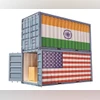 "india us trade deal")
India resists the easing as it has to protect its small domestic retailers from unfair competition from deep-pocketed foreign firms.


Listen to This Article
The US is expected to push for sweeping changes in India's policies, ranging from tariff reductions to regulatory overhauls, that could benefit American firms and exporters, under the proposed bilateral trade agreement with India, think tank GTRI said on Sunday.
In the agri sector, the Global Trade Research Initiative (GTRI) said the US demands include scaling back India's minimum price support (MSP) programmes for crops like rice and wheat, removing restrictions on genetically modified (GM) imports, and lowering farm tariffs.
Similarly, on dairy, the US argues that India's GM-free feed certification and facility registration protocols effectively bar American dairy imports.
Indian rules prohibit imports from animals fed with animal-derived feed, for example, butter from a cow fed meat due to religious sensitivities.
"India considers this policy non-negotiable," GTRI Founder Ajay Srivastava said.
Also Read

 "India US side letters, India US trade deal, India US non tariff barriers, India US bilateral trade agreement, side letters trade agreements, India US trade negotiations, resolving NTBs India US, India US free trade talks, non tariff barriers India US")
 "The Indian Navy's second aircraft carrier, which happens to be the first one that is indigenously built, joined the Western Fleet in Karwar for joint exercises that include twin- carrier fighter operations.")
 "JD Vance, Vance")
 "Rajnath Singh, Defence Minister")
 "Donald Trump, Trump")
He added that America may also seek easing of restrictions on US retail giants like Amazon and Walmart that face roadblocks due to India's restrictions on foreign-owned inventory-based e-commerce trading.
India resists the easing as it has to protect its small domestic retailers from unfair competition from deep-pocketed foreign firms.
"It also views these restrictions as part of preserving regulatory autonomy in a fast-evolving sector," Srivastava said.
The US criticises India's cumbersome licensing requirements for remanufactured and secondhand capital goods, calling the process costly and slow.
It said India mandates technical certificates, enforces quantity restrictions, and demands a residual life guarantee of at least five years for imports.
"India maintains that differentiating between new and remanufactured products is crucial to prevent dumping of obsolete technologies and to protect local manufacturing," he said, adding, "as negotiations proceed, Washington will continue pressing for wide-ranging reforms in tariffs, standards, digital rules, and services access".
(Only the headline and picture of this report may have been reworked by the Business Standard staff; the rest of the content is auto-generated from a syndicated feed.)
More From This Section
 "FDI")
 "petrol pump, fuel station, crude oil")
 "Krishnamurthy V Subramanian, executive director, International Monetary Fund (IMF)")
 "CEA Krishnamurthy Subramanian")
 "Amit Shah, Home Minister")
Don't miss the most important news and views of the day. Get them on our Telegram channel
First Published: May 04 2025 | 2:52 PM IST