


'Not on the radar': Pak Defence Min Asif denies nuclear link in Saudi pact
Pakistan Defence Minister Khawaja Asif told Geo TV that Pakistan's capabilities extend to Saudi under the pact, but later told Reuters that nuclear weapons are 'not on the radar'
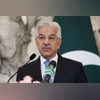 "Khwaja Asif, Pakistan defence minister")
Pakistan Defence Minister Khawaja Asif. (Photo/DD News)
Listen to This Article
Pakistan Defence Minister Khawaja Asif has denied the possibility of nuclear cooperation as part of the new defence pact signed with Saudi Arabia earlier this week, saying such weapons were "not on the radar", according to news agency Reuters.
His comments came after his interview with Geo TV, where he said, “Let me make one point clear about Pakistan's nuclear capability- that capability was established long ago when we conducted tests. Since then, we have forces trained for the battle.”
He further said that Pakistan’s capabilities would be made available to Saudi Arabia under the new agreement. “What we have, and the capabilities we possess, will be made available to (Saudi Arabia) according to this agreement," he said.
However, in a separate conversation with news agency Reuters, the defence minister dismissed the possibility of nuclear cooperation being part of the pact, calling such weapons “not on the radar".
When asked about the remarks, Foreign Office spokesperson Shafqat Ali Khan avoided a direct answer, stating only that Pakistan’s nuclear doctrine has “evolved and continues to do so".
Also Read

 "Khwaja Asif, Pakistan defence minister")
 "Ministry of External Affairs official spokesperson Randhir Jaiswal")
 "United Nations Security Council")
 "Ministry of External Affairs official spokesperson Randhir Jaiswal")
 "Saudi Crown Prince Mohammed bin Salman and Pakistan Prime Minister Shehbaz Sharif embrace each other on the day they sign a defence agreement, in Riyadh, Saudi Arabia, September 17, 2025 (Photo: Reuters)")
Joint response clause in agreement
In his interview to Geo TV, Asif also underlined the pact’s central provision, noting that aggression against either country would trigger a collective response. “If either Pakistan or Saudi Arabia is attacked from anywhere, it will be considered an attack on both nations, and we will respond together,” he said.
The Strategic Mutual Defence Agreement, signed earlier this week in Riyadh, formalises this understanding. The deal consolidates decades of military and security ties, pledging joint defence in case of any external attack.
Pakistan’s Deputy Prime Minister Ishaq Dar revealed that other states have expressed interest in similar arrangements. “It is premature to say something, but after this development, other countries have also expressed a desire for similar arrangements. But such things follow a due process. Even with Saudi Arabia, it took several months to finalise,” he told reporters in London, as quoted by Geo News.
Pakistan, Saudi Arabia’s defence pact
The agreement was signed during Prime Minister Shehbaz Sharif’s state visit to Saudi Arabia, where he held talks with Crown Prince Mohammed bin Salman at Al-Yamamah Palace. Delegations from both sides reviewed bilateral relations before formalising the pact.
According to the joint statement, the agreement "reflects the shared commitment of both nations to enhance their security and to achieve security and peace in the region and the world", and provides a framework for expanded defence cooperation, including training, exercises, and intelligence sharing.
For Pakistan, the pact strengthens ties with one of its closest Gulf allies. For Saudi Arabia, it cements relations with a country that maintains one of the largest standing armies in the Muslim world.
India monitors implications
Reacting to the pact, India said that it will carefully evaluate the agreement’s impact on regional stability and its own security.
MEA Spokesperson Randhir Jaiswal said, “We have seen reports of the signing of a strategic mutual defence pact between Saudi Arabia and Pakistan. The government was aware that this development, which formalises a long-standing arrangement between the two countries, had been under consideration."
"We will study the implications of this development for our national security as well as for regional and global stability. The government remains committed to protecting India's national interests and ensuring comprehensive national security in all domains," he added.
(With agency inputs)
More From This Section
 "Srinagar, India-Pakistan war, conflict, army, security personnerl, vigil, ceasefire breach")
 "terrorism ak47 guns violence")
 "Security, Pulwama Security, Army, soldier")
 "Piyush Goyal, Piyush")
 "Ajit Doval")
Don't miss the most important news and views of the day. Get them on our Telegram channel
First Published: Sep 20 2025 | 3:21 PM IST