


Pak PM Shehbaz Sharif set to visit Japan in October, first in 20 years
Shehbaz Sharif's visit, the first by a Pakistani prime minister in 20 years, is being planned following a 'special invitation' from the Japanese government
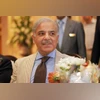 "Pakistan Prime Minister Shehbaz Sharif")
Pakistan expects that the meeting will open new doors of cooperation not only at the government level but across multiple sectors.
Listen to This Article
Pakistan Prime Minister Shehbaz Sharif will visit Japan during the first week of October, according to Pakistani news channel Dunya News. This will be the first visit by a sitting prime minister of Pakistan in the last 20 years.
According to the report, the visit is being planned following a 'special invitation' from the Japanese government. During his visit, Sharif is likely to meet his Japanese counterpart and other senior leadership.
Pakistan expects that the meeting will open new doors of cooperation not only at the government level but across multiple sectors.
Before Sharif, former prime minister Shaukat Aziz visited Japan in 2005.
Major economic package likely for Pakistan
Japan may extend a major economic package during the Pakistan PM's visit. Talks along the lines of boosting trade cooperation are also expected.
Also Read



 "Asia Cup")
 "India vs Pakistan cricket at Olympics 2028")

According to the report, the trade package is likely to include projects related to industrial development, enhancing exports, investment, and technology exchange. Several important agreements and memoranda of understanding will also be signed, the report added.
Japan’s Ambassador to Islamabad Akamatsu Shuichi called the visit "very important", emphasising that Japan has been a "longstanding friend" of Pakistan and that this visit will usher in a new chapter in their relationship.
Pakistan's trade deal with US
Sharif has been strengthening ties with multiple countries. In July 2025, Pakistan clinched a major trade accord with the US, aiming to cut tariffs and expand market access, especially for energy, mining, IT, and cryptocurrency sectors. The agreement supports new US investments in infrastructure and development.
The deal notably lowered US tariffs on Pakistani exports—from 29 per cent to 19 per cent, among the lowest in South Asia.
Speaking about the trade deal, US President Donald Trump said, “We have just concluded a deal with the country of Pakistan, whereby Pakistan and the United States will work together on developing their massive oil reserves.”
Pakistan has long claimed to have large oil deposits along its coast, but no significant progress has been made to tap these reserves. Currently, the country relies on oil imports from the Middle East to meet its energy demands.
More From This Section
 "Pak, Pakistan Army chief, General Asim Munir")
 "Yemen president")
 "Terrorist attack, Terrorism, Kathua Terrorist attack, Army, Indian Army")
 "ISRO")
 "Benjamin Netanyahu, Benjamin, Netanyahu, Israel PM")
Topics : Shehbaz Sharif India vs Pakistan Pakistan Japan
Don't miss the most important news and views of the day. Get them on our Telegram channel
First Published: Aug 11 2025 | 12:20 PM IST