


Respiratory viruses like flu, coronavirus may trigger cancer relapse: Study
A new study reveals that respiratory infections like common flu and coronavirus can awaken dormant breast cancer cells in the lungs, raising concerns for survivors
 "Cancer cells, infection")
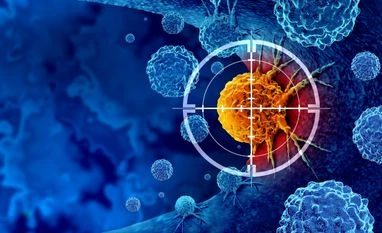
Flu and Covid inflammation may fuel hidden breast cancer cells to multiply in lungs. (Photo: AdobeStock)
Listen to This Article
For most cancer survivors, the biggest relief after treatment is hearing the word 'remission'. But a new study suggests that even a common flu or coronavirus (Sars-CoV-2) infection might shake awake cancer cells that were thought to be dormant, raising fresh concerns about long-term health risks.
The research findings, published in the journal Nature in the peer-reviewed study titled Respiratory viral infections awaken metastatic breast cancer cells in lungs, suggest that common viruses may be influential in cancer recurrence. Researchers from the University of Colorado Anschutz Medical Campus and collaborators found that these dormant cells — long after remission — can suddenly multiply when triggered by inflammation caused by infection.
The findings, first seen in mice and then supported by observational data from thousands of human cancer patients, raise concerns for survivors.
What are dormant cancer cells?
According to the study, when breast cancer goes into remission, not every cancer cell disappears. Some cells go into a 'sleep-like' state, hiding in organs such as the lungs, liver, or bone marrow. These are called dormant disseminated cancer cells (DCCs).
The report explained that these cells do not grow or divide, which is why chemotherapy or radiation often cannot detect or kill them. For years, or even decades, they can remain harmless. The problem arises if something triggers them.
ALSO READ: From poha to yoghurt bowl: Doctor-approved picks for gut-healthy breakfasts
Also Read

 "gut health")
 "vitamin D")
 "mammogram")
 "cancer - woman")
 "medicine")
How can flu or coronavirus wake up cancer cells?
The study tested this in mice with dormant breast cancer cells in their lungs. When the mice were infected with influenza or a mouse-adapted version of Sars-CoV-2, those 'sleeping' cells suddenly reactivated.
Within days, the cells multiplied up to 100-fold, forming clusters that looked like the early stages of metastasis. The study further showed that once the infection cleared, many of the cells went back to sleep, but not before expanding their numbers. This means the risk of future cancer recurrence may increase after such infections.
According to the study, Interleukin-6 (IL-6) — a protein released by the immune system to fight infections — is the culprit. While normally helpful, IL-6 also provides the perfect environment for dormant cancer cells to grow.
Could the same thing happen in humans?
Researchers examined data from two large human studies:
- UK Biobank data: More than 4,800 cancer survivors (all types of cancers) who tested positive for coronavirus disease (Covid-19) had nearly double the cancer-related death risk compared to those who never got infected.
- Flatiron Health database: Among 36,800 breast cancer patients, those who contracted Covid-19 had a 44 per cent higher risk of lung metastasis compared to those who didn’t.
This suggests what happens in mice could also happen in people, though not every infection will trigger cancer’s return.
Why doesn’t this happen to everyone?
Experts say it depends on several factors:
- The number of dormant cells left after treatment.
- The patient’s immune system strength.
- How much inflammation is caused by the infection.
Some patients may live their whole lives with dormant cells that never reactivate. Others may be pushed over the edge by a respiratory illness.
What does this mean for cancer survivors?
The study highlights why cancer survivors should be especially careful about respiratory illnesses. While it does not mean every cold or flu will cause cancer to return, the risk remains high.
Doctors recommend:
- Staying up to date with vaccinations (including flu and Covid boosters).
- Practicing good hygiene to avoid infections.
- Talking to oncologists about extra monitoring after severe respiratory illnesses.
This study highlighted that infections and cancer are more connected than we ever thought. For survivors, even after remission, vigilance matters.
For more health updates, follow #HealthWithBS
This content is for informational purposes only and is not a substitute for professional medical advice.
More From This Section
 "fact check, ageing")
 "walking")
 "Medication, yoga, sunrise")
 "crp test")
 "Japanese Interval walking")
Topics : Coronavirus Health with BS BS Web Reports Health Ministry health news breast cancer cancer detection cancer risk Cancer survivors cancer lung condition Flu COVID-19
Don't miss the most important news and views of the day. Get them on our Telegram channel
First Published: Aug 18 2025 | 11:19 AM IST