


Centre plans national assessment of district hospitals for emergency care
The Centre will conduct a nationwide assessment of district hospitals to identify gaps in emergency and trauma care infrastructure and strengthen facilities in line with IPHS norms
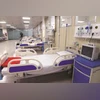 "HEALTHCARE, HOSPITAL")
India faces a significant burden of emergency medical conditions including road traffic injuries, heart attacks, strokes, poisonings, burns and bites, which require timely intervention.
Listen to This Article
The Centre will soon be undertaking a nationwide assessment and gap analysis of all district hospitals (DH) according to the Indian Public Health Standards (IPHS) norms for emergency and trauma care.
“The gap analysis will be used to begin infrastructure strengthening for DHs and development of technical standards for facilitating procurement of emergency drugs and equipment,” a Health Ministry official said in a post-Budget webinar on Monday.
The move comes after Finance Minister Nirmala Sitharaman announced increasing emergency capacities by 50 per cent in 760 DHs by establishing trauma care centres.
India faces a significant burden of emergency medical conditions including road traffic injuries, heart attacks, strokes, poisonings, burns and bites, which require timely intervention within the golden hour to prevent deaths and long-term disability.
According to a recent report on accidental deaths by the National Crime Records Bureau, India recorded more than 444,000 deaths due to accidental causes such as road accidents, heart attacks and strokes in 2023.
Also Read

 "HPV vaccine adults")
 "Devi Prasad Shetty, founder and chairman Narayana Health")
 "AI Impact Summit, AI Impact Summit 2026")
 "JP Nadda, Nadda")
However, emergency beds constitute only a small share of total hospital bed capacity in many district hospitals, highlighting the need for strengthening emergency care infrastructure and systems.
A 2021 NITI Aayog study on emergency and injury care at DHs in India stated that despite the high patient load reporting to Emergency Departments (EDs), the number of beds available at EDs accounted for only 3–5 per cent of total hospital beds.
Panellists in the post-Budget webinar deliberated on the need to strengthen infrastructure at DHs by transforming existing casualty wards into fully functional emergency care departments with triage areas, resuscitation facilities, ambulance bays, diagnostics and emergency operation theatres.
The ministry may also look at strengthening pre-hospital emergency response systems by integrating the 112 Emergency Response Support System (ERSS) with ambulance services and hospitals to ensure timely response and effective patient management.
“The system could further be linked with the eSanjeevani platform to enable stabilisation of patients through teleconsultation while in transit,” said Dr VK Paul, member (health) at NITI Aayog.
Highlighting that digital infrastructure is essential in running efficient emergency care services, Paul added that a digital backbone for the centre will be created through dashboards for tracking the patient through the care pathways.
“Such dashboards will be useful in bringing quality, accountability and efficiency to emergency care services,” he said.
The ministry may also look at developing standardised training modules for doctors, nurses and paramedics for emergency and trauma management by embedding them in certificate, degree and diploma courses and in-service training.
More From This Section
 "French fries, junk food")
 "cells, diseases, inflammation")
 "sleep disorders, snoring, sleep apnea")
 "ultra-processed foods, junk foods")
 "healthcare, doctor")
Topics : hospitals Health Ministry public health
Don't miss the most important news and views of the day. Get them on our Telegram channel
First Published: Mar 10 2026 | 7:47 PM IST