


This is what 'magic mushrooms' do to cancer patients with depression
A new study finds that psilocybin, the hallucinogenic compound in magic mushrooms, can offer long-term relief from depression and anxiety in cancer patients
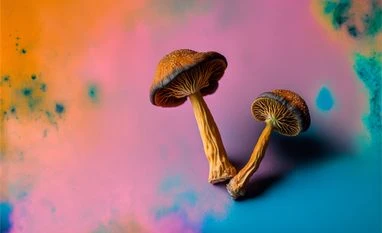 "Psilocybin mushrooms, magic mushrooms, psychedelic mushrooms")
Psilocybin has been studied extensively for its potential to alleviate anxiety and depression associated with cancer and its treatment. (Photo: AdobeStock)
Listen to This Article
A single dose of psilocybin, the active psychedelic compound in “magic mushrooms”, combined with therapy, may offer long-lasting relief from depression and anxiety in cancer patients—lasting up to two years—according to a new study.
The study, titled Long-term benefits of single-dose psilocybin in depressed patients with cancer, was recently published by Wiley in Cancer, a peer-reviewed journal of the American Cancer Society. It highlights that psilocybin-containing mushrooms—commonly referred to as magic mushrooms or shrooms—could help transform the future of mental health care.
Can a psychedelic compound from mushrooms benefit people with cancer and major depression? ???? Results from a phase 2 study reveals that a single dose of psilocybin offers long-term relief from symptoms of depression and anxiety: https://t.co/Ifm55G9Q72@OncoAlert @SunstoneHeals pic.twitter.com/uhQhkPhoaC
— ACS Journal Cancer (@JournalCancer) June 16, 2025
During the phase 2 trial, 28 cancer patients diagnosed with major depressive disorder received psychological support along with a single 25-mg dose of psilocybin. The results were notable:
- 53.6 per cent of participants showed a significant reduction in depression two years after treatment
- 50 per cent maintained their depression relief and entered remission
- 42.9 per cent also experienced reduced anxiety symptoms
These findings suggest psilocybin could be a powerful long-term alternative to conventional antidepressants.
Also Read

 "Birthing centre, pregnancy, Hospital")
 "substance abus, drugs")
 "motion sickness")
 "vaccination, Children vaccination, immunisation, vaccinated children")
 "Doctor, Surgery")
How does psilocybin relieve depression?
Researchers explain that psilocybin is a naturally occurring psychedelic that acts on serotonin receptors in the brain. This interaction may help “reset” entrenched patterns of negative thinking, enabling patients to process emotions, reduce fear, and experience psychological breakthroughs.
When paired with therapy, psilocybin appears to help patients confront deep emotional distress—especially depression and anxiety that often accompany cancer diagnoses.
Follow-up studies are underway to assess whether repeated doses could help even more patients achieve lasting mental health improvements.
Who could benefit from this treatment?
This trial specifically examined cancer patients with major depressive disorder and anxiety—common conditions that reduce quality of life and complicate cancer care.
Researchers believe that if larger studies validate these outcomes, psilocybin-assisted therapy could benefit not only cancer patients but others with treatment-resistant depression as well.
Is psilocybin therapy available to patients now?
Not yet. The therapy is still under investigation and remains part of ongoing clinical trials. A current randomised, double-blind study is comparing psilocybin to placebo across a larger sample to further assess its efficacy.
“One dose of psilocybin with psychological support to treat depression has a long-term positive impact on relieving depression for as much as two years for a substantial portion of patients with cancer, and we’re exploring whether repeating the treatment resolves depression for more than half of the patients,” said lead author Dr Manish Agrawal of Sunstone Therapies in a press statement. “If randomised testing shows similar results, this could lead to greater use of psilocybin to treat depression in patients with cancer.”
What are the risks and precautions?
The study cautions that while promising, psilocybin can cause hallucinations, mood changes and intense emotional responses. As such, it is only administered in controlled therapeutic environments under professional supervision.
Self-medicating with magic mushrooms is dangerous, unpredictable and illegal in most parts of the world. For more health updates, follow #HealthWithBS
This content is for informational purposes only and is not a substitute for professional medical advice.
More From This Section
 "cancer, treatment, chemotherapy")
 "Chart")
 "vaccine, vaccines")
 "genomic testing, gene")
 "workplace stress")
Topics : Health with BS BS Web Reports Psychedelic mushrooms Mushrooms cancer patient cancer treatment cancer Mental health Depression
Don't miss the most important news and views of the day. Get them on our Telegram channel
First Published: Jun 30 2025 | 7:27 PM IST