


Getting enough protein as a vegetarian is easier than you think: Here's how
You don't need meat to meet your protein goals. From lentils and tofu to seeds and grains, a well-planned vegetarian diet can give your body all the protein it needs
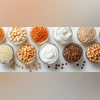 "vegetarian protein sources, plant-based protein")
Power-packed vegetarian protein sources that can fuel your day naturally. (Photo: Adobestock)
Listen to This Article
Whether you’re trying to build muscle, boost energy, or simply eat cleaner, protein is your best ally. But if you’re vegetarian, getting it right can feel tricky. Luckily, there are plenty of delicious, protein-rich options that fit easily into Indian kitchens.
“Vegetarian diets can absolutely provide complete protein through foods like quinoa, soy products [tofu, tempeh, soy milk], buckwheat, chia seeds, and hemp seeds. These foods contain all nine essential amino acids for your body,” says Dr Anshu Chaturvedi, head, Department of Dietetics, CK Birla Hospitals, Jaipur.
For other plant foods like legumes and grains, such complementary proteins don’t have to be eaten in the same meal but could be included throughout the day to ensure a complete amino acid intake, she explains.
Power-packed protein sources for vegetarians
1. Lentils, beans and peas
Staples like dal and chana are rich in protein, fibre, and essential minerals. Combining them with other nutrients, for example, rice with beans or lentils with whole-wheat chapati, helps balance amino acid profiles.
Also Read

 "iron deficiency")
 "relationship conflict")
 "poor sleep brain health")
 "daily protein requirement")
 "study on tramadol - increased heart risk")
Dr Chaturvedi says, “Lentils and beans are rich in lysine but low in methionine (both are amino acids), with around 75–85 per cent absorption.”
2. Soy-based sources - Tofu, Tempeh, Soybeans
Soy is one of the few vegetarian sources with all nine essential amino acids. Tofu offers around 10g of protein per 100g, and tempeh (cake-like form of fermented whole soybeans) provides around 19g of protein per 100g. Use them in stir-fries or curries for a hearty, high-protein meal. Soy milk is a great alternative to dairy milk as it contains 6 grams of protein per cup.
Soy is a complete, high-quality protein with about 90–95 per cent absorption, comparable to animal protein, shares Dr Chaturvedi.
3. Paneer and Greek yoghurt
A 100g serving of paneer contains about 18g of protein, while Greek yoghurt delivers about 10g per serving. However, cottage cheese also contains a fair amount of fat, so experts recommend balancing it with lighter protein sources.
4. Seeds and nuts
From chia and flax seeds to hemp and pumpkin seeds, these tiny foods add a big protein punch. Sprinkle them on salads, blend them in smoothies, or stir them into your breakfast porridge for a nutritious start.
Seeds and nuts are nutrient-dense but typically low in lysine, with 70–80 per cent absorption, adds Dr Chaturvedi.
5. Quinoa, amaranth, and buckwheat
Grains like quinoa and amaranth are rich in both protein and fibre, keeping you fuller for longer. They’re also gluten-free and versatile enough for salads, pulao, or khichdi. Often eaten during fasts, buckwheat (kuttu atta) is an excellent high-protein option, providing around 6g of protein per cup.
6. Oats
Starting your day with a warm bowl of oatmeal is a simple way to fuel up on energy and protein. Just 40 grams of oats pack around 5 grams of protein and 4 grams of fibre, enough to keep you full, focused, and ready to take on the day.
Balance and timing matter
It’s not just what you eat but when you eat it. Protein absorption and utilization improve when intake is spread evenly across meals. “Aim for about 15–30 grams per main meal, with snacks contributing an additional 5–10 grams. This steady distribution helps with muscle repair, satiety, and sustained energy,” explained Dr Chaturvedi.
Include a mix of protein sources in each meal such as tofu in stir-fries, lentils or beans at lunch, yogurt or soy milk smoothies for snacks, and quinoa or paneer for dinner, to ensure continuous amino acid availability.
"Your biomarkers can reveal how efficiently you digest plant proteins. Some people have genes that help them process legumes better, while others thrive on dairy or soy-based proteins," shares Sid Das, co-founder of eGenome.ai, a predictive health technologies firm.
Even your body clock or chronotype plays a role. Those with “morning genes” may benefit from around 30g of protein at breakfast, through meals like idli-sambar or paneer paratha. Evening types might do better with protein-rich dinners such as rajma-chawal, he explains. Also Read: Are you getting the right amount of protein for your body's needs?
Common misconceptions about vegetarian protein
“One of the biggest myths is that vegetarian protein is incomplete or insufficient for muscle building,” says Dr Chaturvedi. “In reality, a varied plant-based diet can easily meet daily protein needs.”
Another common misconception, Dr Chaturvedi adds, is that plant proteins are difficult to digest. “Modern cooking and preparation methods, such as soaking, sprouting, and fermenting, greatly improve absorption,” she explains.
Foods like soy, lentils, chickpeas, quinoa and beans are all excellent sources. With thoughtful meal planning, vegetarian diets can support strong muscles, high energy levels, and overall health just as effectively as non-vegetarian diets.
For more health updates, follow #HealthwithBS
This report is for informational purposes only and is not a substitute for professional medical advice.
More From This Section
 "omega 3 deficiency")
 "cough syrup")
 "guidelines for postpartum haemorrhage")
 "mental health, children, trauma")
 "multivitamins, daily supplements")
Don't miss the most important news and views of the day. Get them on our Telegram channel
First Published: Oct 08 2025 | 6:11 PM IST