


South Africa plans immigration crackdown: Key measures, changes explained
South Africa plans stricter immigration enforcement as anti-migrant tensions and protests escalate
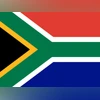 "South Africa flag, Flag of South Africa")
South Africa flag, Flag of South Africa (Photo: Wikimedia commons)
Listen to This Article
South African President Cyril Ramaphosa has announced a sweeping plan to curb illegal immigration, promising tougher border controls, stricter action against employers hiring undocumented workers and faster deportations.
This comes as the country grapples with rising anti-migrant sentiment and growing social tensions.
In a televised address to the nation, Ramaphosa acknowledged that many South Africans are concerned about the impact of migration on jobs, public services and security.
However, he also condemned vigilante actions and xenophobic attacks, stressing that only the state has the authority to enforce immigration laws.
The announcement comes at a time when South Africa is witnessing a renewed wave of protests and hostility directed at foreign nationals, particularly migrants from other African countries. The issue has also sparked diplomatic concerns across the continent, with several African governments expressing unease about the safety of their citizens living in South Africa.
Also Read

 "bonds")
 "Rajya Sabha")
 "girl, girl child, education")
 "Employees Provident Fund Organisation, EPFO")
 "FSSAI vegan logo")
What South Africa plans to do
Under a newly approved National Action Plan on migration, the government will introduce a series of measures aimed at strengthening immigration enforcement.
Key proposals include:
• Tougher penalties for businesses employing undocumented migrants.
• Increased workplace inspections by labour and immigration authorities.
• Faster deportation processes and dedicated courts to deal with immigration-related cases.
• Greater use of technology, including drones, to monitor borders.
• Recruitment of additional labour inspectors.
• Stronger action against corruption that facilitates illegal migration.
• Sector-specific limits on the employment of foreign nationals.
Ramaphosa argued that some employers deliberately hire undocumented migrants because their vulnerable status makes it easier to suppress wages and avoid labour protections. He said repeat offenders would face stronger enforcement action.
The government also plans to tighten border management as authorities increasingly link undocumented migration routes to criminal networks involved in activities such as human trafficking, extortion, drug smuggling and illegal mining.
Why immigration has become a political flashpoint
The immigration debate has intensified against a backdrop of severe economic challenges. South Africa continues to face extremely high unemployment levels, particularly among young people, while public services such as healthcare and education remain under pressure.
According to Ramaphosa, many citizens believe that foreign nationals are competing for scarce jobs and placing additional strain on public resources. These concerns have become more visible in communities, workplaces and on social media.
Data cited by Bloomberg shows incidents of xenophobic discrimination in South Africa reached their highest level since 2008 last year. That year remains one of the darkest chapters in the country's post-apartheid history, when xenophobic violence left around 60 people dead and displaced around 50,000 others.
Researchers and migration experts have noted that anti-immigrant sentiment has been building for years but has become more pronounced since Covid. Economic pressures and perceptions that migrants pose a threat to employment opportunities have further fuelled public anger.
Part of a wider global trend
South Africa's immigration debate reflects a broader international trend in which migration has become a politically sensitive issue.
Across Europe and North America, governments and political movements have increasingly focused on border controls, asylum policies and deportations. In Germany, the immigration debate has boosted support for the far-right Alternative for Germany (AfD) party, while immigration remains a major political issue in both the United States and the United Kingdom.
The South African government, however, is attempting to balance stricter enforcement with assurances that the rights of foreign nationals will be protected.
Diplomatic concerns emerge
The unrest has already created diplomatic challenges. Governments including Nigeria, Ghana and Mozambique have offered assistance or evacuation options to citizens concerned about their safety. Other countries such as Kenya and Malawi have urged nationals living in South Africa to remain cautious.
In response, Ramaphosa said South Africa would send special envoys to neighbouring African countries to explain the new measures and preserve regional relationships.
He stressed that South Africa's future remains closely tied to that of the broader African continent and insisted that immigration enforcement should not be confused with hostility towards foreign nationals.
Balancing enforcement and human rights
A central theme of Ramaphosa's address was the distinction between enforcing immigration laws and encouraging xenophobia.
He warned against civilian groups that have recently taken it upon themselves to check identity documents and confront suspected undocumented migrants. Such actions, he said, are unlawful and undermine the rule of law.
While defending South Africa's right to tackle irregular migration, Ramaphosa said the country remains committed to protecting the human rights and dignity of all people residing within its borders.
The challenge for his government will be whether it can tighten immigration controls while preventing a further escalation of anti-migrant violence, a balance that many countries around the world are increasingly struggling to achieve.
With inputs from PTI and Bloomberg
More From This Section
 "France, France Flag")
 "Silicon Valley, artificial intelligence, Startups")
 "Fifa, football, fifa world cup 2026")
 "South Korea flag")
 "Finland")
Topics : BS Web Reports immigration
Don't miss the most important news and views of the day. Get them on our Telegram channel
First Published: Jun 08 2026 | 2:56 PM IST