


Trump's Nobel ego trip and 50% tariff penalty: What hurt US-India ties?
A testy Trump-Modi phone call over Pakistan ceasefire and Nobel claim may have strained India-US relations, according to a report by the New York Times
 "Modi Trump")
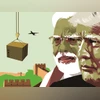
The June 17 exchange marked the beginning of a souring phase in the Trump-Modi relationship, once showcased through the “Howdy Modi” and “Namaste Trump” rallies. (Illustration: Binay Sinha)


Listen to This Article
A June 17 phone call between US President Donald Trump and Prime Minister Narendra Modi has been cited as a turning point in India-US relations, according to a report in the New York Times. Trump reportedly reiterated his claim of having “solved” the India-Pakistan conflict and said Islamabad was considering nominating him for the Nobel Peace Prize. The suggestion carried an implicit expectation that PM Modi should follow suit.
However, the Prime Minister rejected the idea, stressing that the ceasefire had been reached directly between India and Pakistan and that no third-party mediation was involved. Indian officials later released a statement affirming that New Delhi "does not and will never accept mediation” in its disputes with Pakistan.
The June 17 exchange marked the beginning of a souring phase in the Trump-Modi relationship, once showcased through the “Howdy Modi” and “Namaste Trump” rallies.
Weeks after the phone call, Trump announced a 25 per cent tariff on Indian imports, followed by another 25 per cent on purchases of Russian oil. This raised India’s effective tariff burden to 50 per cent, placing New Delhi among the hardest-hit trade partners of the United States.
Trump's hunger for Nobel
According to the New York Times report, at the core of the tensions was Donald Trump’s fixation on winning the Nobel Peace Prize. Trump has repeatedly expressed frustration over not receiving a Nobel Peace Prize, even as the White House under his tenure openly sought recognition for him.
At a February press briefing alongside Israeli Prime Minister Benjamin Netanyahu, Trump complained, “They will never give me a Nobel Peace Prize. I deserve it.”
Also Read

 "Donald Trump, Trump")
 "Donald Trump, Trump")
 "White House")
 "White House")
White House Press Secretary Karoline Leavitt declared it “well past time that President Trump was awarded the Nobel Peace Prize", citing that he has “brokered, on average, one peace deal or ceasefire per month” during his term. She credited him with resolving conflicts involving India-Pakistan, Cambodia-Thailand, Rwanda-DRC, Israel-Iran, Serbia-Kosovo, Egypt-Ethiopia, among others.
According to Norwegian outlet Dagens Næringsliv, Trump even called Norway’s Finance Minister Jens Stoltenberg to discuss a NoPeace Prize nomination.
American voices of support for India
Close Trump advisers have gone further, with Peter Navarro labelling the Ukraine conflict “Modi’s war” and accusing India of arrogance in trade talks. This has led to criticism among some US groups.
The American Jewish Committee (AJC) described Navarro’s remark as “deeply troubling” and urged a reset of ties with India.
Democrats on the House Foreign Affairs Committee also criticised the tariff measures, calling them “biased” and warning that they undermined a vital strategic partnership. These statements add to growing unease in Washington that Trump’s actions could damage long-term cooperation with New Delhi.
Immigration and visa strains
The friction is compounded by US visa restrictions. Trump’s push to tighten H-1B work permits and student visas has disproportionately affected Indians, who account for the largest share of these categories. Deportations of Indian nationals earlier this year, carried out with limited notice, drew criticism in New Delhi and coincided awkwardly with PM Modi’s Washington visit.
How India is responding
Amid strained ties, PM Modi has revived his long-standing call for aatmanirbhara (self-reliance) and expanded the 'Make in India' initiative. He also met Chinese President Xi Jinping during a visit to China's Tianjin on Sunday, where he will also meet Russian President Vladimir Putin. This underscores India’s effort to diversify its partnerships at a time of uncertainty in relations with Washington.
More From This Section
 "Narendra Modi, PM Modi")
 "UAE flag")
 "Supreme Court, SC")
 "Chennai Rains")
 "tiktok, US tiktok ban, appstore")
Topics : Donald Trump Narendra Modi Donald Trump administration Trump tariffs nobel peace prize US India relations BS Web Reports
Don't miss the most important news and views of the day. Get them on our Telegram channel
First Published: Aug 31 2025 | 3:47 PM IST