


Fog and toxic air choke Delhi, ground flights as pollution nears severe
The city woke to a blanket of smog and haze, with early-morning visibility sharply reduced and relative humidity touching 100%
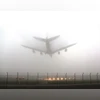 "aviation, flight, fog")
Representative Picture


Listen to This Article
Dense fog and toxic air once again slowed down Delhi on Friday by grounding multiple flights, choking visibility, and prompting authorities to double down on emergency pollution controls. The city’s air quality edged perilously close to the “severe” category.
At Indira Gandhi International Airport, operations continued under low-visibility CAT III conditions through the morning, forcing airlines to cancel at least 79 flights, including international services, and delay more than 230 others. Data from flight-tracking website Flightradar24 showed average departure delays of nearly 50 minutes, as thick fog reduced visibility across the airfield. Delhi International Airport Ltd (DIAL) said arrivals and departures were continuing, but warned of “possible delays or disruptions”, adding that ground staff were assisting stranded passengers across terminals.
Major carriers including IndiGo, Air India and SpiceJet issued travel advisories urging passengers to check flight status before heading to the airport, while the Airports Authority of India cautioned that persistent dense fog was affecting several airports across northern India, raising the likelihood of knock-on delays across the region.
The city woke to a blanket of smog and haze, with early-morning visibility sharply reduced and relative humidity touching 100 per cent. The minimum temperature dipped to 9°C, according to the India Meteorological Department.
Air quality remained firmly in the “very poor” bracket. The city’s 24-hour average Air Quality Index stood at 382, edging closer to the “severe” threshold. Of Delhi’s 40 monitoring stations, 14 recorded “severe” air quality and the remaining 26 fell in the “very poor” category, according to data from the Central Pollution Control Board (CPCB). Forecasters warned that the situation was unlikely to improve soon, with the Air Quality Early Warning System predicting a further slide into “severe” levels on Sunday.
Also Read

 "IndiGo")
 "Smog, Delhi Pollution, Delhi Air Quality, Pollution")
 "Air India Express")
 "Ashish Sood")
 "Air pollution, Delhi")
Against this backdrop, a ban on the entry of non-Delhi private vehicles below BS-VI emission standards remained in place, while fuel stations continued to refuse petrol and diesel to vehicles without valid pollution under control (PUC) certificates.
The Delhi government said the initial impact was visible. Chief Minister Rekha Gupta reviewed feedback from departments and reported a noticeable drop in vehicular movement on city roads, alongside a surge in voluntary compliance. Official data showed that the number of PUC certificates issued jumped by nearly 76 per cent in a single day, from 17,732 on December 16 to 31,197 on December 17.
Transport department officials said nearly 2,800 vehicles were denied fuel on the first day of enforcement, while 3,746 challans were issued to vehicles operating without valid PUC certificates. Delhi’s environment minister, Manjinder Singh Sirsa, said the sharp rise in PUC compliance was a sign of growing public awareness, even as authorities acknowledged that emergency curbs alone could not resolve the city’s chronic winter pollution.
The capital’s worsening air has also spilled into national politics. On Friday, the Union government accused Opposition parties of stalling a proposed debate on air pollution during the winter session of Parliament. Parliamentary Affairs Minister Kiren Rijiju said the government had been ready for a discussion on the health crisis in the national capital region, but claimed protests over other legislation disrupted proceedings. Opposition members, he alleged, had even indicated that a debate on pollution was unnecessary -- a charge that Opposition parties have disputed.
(Only the headline and picture of this report may have been reworked by the Business Standard staff; the rest of the content is auto-generated from a syndicated feed.)
More From This Section
 "indigo airlines, indigo")
 "IndiGo crisis")
 "indigo airlines, indigo")
 "Air India")
Don't miss the most important news and views of the day. Get them on our Telegram channel
First Published: Dec 19 2025 | 7:44 PM IST