


Mumbai sees best Feb property sales in 14 yrs with 13,000+ registrations
Mumbai logged 13,029 property registrations in February 2026, the strongest performance for the month in 14 years, with stamp duty collections rising 21 per cent, Knight Frank India said
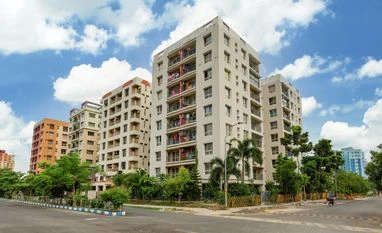 "Housing")
The market witnessed a clear shift toward premium housing in February 2026.


Listen to This Article
Mumbai city (area under BMC jurisdiction) recorded 13,029 property registrations in February 2026, generating over ₹1,134 crore in stamp duty revenue for the state exchequer. This marks the highest February performance in 14 years, both in registrations and revenue collections, according to a report by Knight Frank India.
Registrations during the month rose 8 per cent year-on-year (YoY), while stamp duty collections rose 21 per cent YoY, indicating a higher share of premium and large-ticket transactions. The registrations include new sales as well as re-sales.
The sustained momentum highlights continued end-user demand, supported by stable macroeconomic conditions, infrastructure expansion and improved buyer sentiment, the report noted. Residential properties accounted for nearly 80 per cent of total registrations.
Shishir Baijal, Chairman and Managing Director, Knight Frank India, said, “This sustained momentum is a testament to the inherent strength and depth of Mumbai’s residential sector. Demand remains largely end-user driven, with the mid-to-premium segments gaining traction, while suburban markets continue to dominate on the back of improving connectivity and expanding infrastructure.”
The market witnessed a clear shift toward premium housing in February 2026. The share of properties priced above ₹5 crore rose to 8 per cent from 6 per cent a year earlier. The ₹2–5 crore segment expanded to 20 per cent from 17 per cent in February 2025, while the ₹1–2 crore category increased to 33 per cent from 31 per cent.
Also Read

 "Real estate")
 "Crime, Prison, Law, Arrest, Punishment")
 "Luxury lifestyle brand Nicobar Designs")
 "NBCC")
 "Real estate")
In contrast, the sub-₹1 crore segment’s share declined to 40 per cent from 46 per cent, reinforcing the trend toward higher-value transactions and supporting the sharp rise in stamp duty collections.
“Overall, Mumbai’s residential market is not merely witnessing a cyclical upswing, it is demonstrating structural stability, infrastructure-led growth, and long-term confidence, reaffirming its position as one of the country’s most robust real estate markets,” Baijal noted.
Apartments up to 1,000 square feet accounted for 81 per cent of total registrations in February 2026, down from 85 per cent in February 2025. Within this, the 500–1,000 square feet segment remained the most preferred at 45 per cent, balancing affordability with usable space for end-users.
While smaller units continue to drive volumes, the growing appetite for larger configurations suggests that a segment of buyers is prioritising upgraded living standards and long-term ownership over entry-level affordability. This shift highlights a more balanced demand pattern across Mumbai’s residential market, Knight Frank noted.
During the month, the Western Suburbs further consolidated their leadership, reinforcing their position as the city’s most active housing corridor with a 57 per cent share in total registrations, up from 49 per cent in February 2025. Meanwhile, the Central Suburbs accounted for a 30 per cent share, down from 34 per cent in February 2025.
“The BMC’s largest-ever budget, with its continued emphasis on transformative infrastructure projects such as the Coastal Road and key link corridors, is expected to further reinforce this positive trajectory by enhancing accessibility and widening residential catchments,” Baijal added.
More From This Section
 "Nvidia, 6G network")
 "paint, Nerolac paints")
 "PM Modi inaugurates Micron ATMP unit")
 "Trade exports")
 "Rishi Gupta, Managing Director & CEO, Fino Payments Bank")
Topics : Mumbai Real Estate Real estate firms
Don't miss the most important news and views of the day. Get them on our Telegram channel
First Published: Mar 01 2026 | 2:26 PM IST