


NMDC targets net-zero operational emissions by 2047, plans 90% reduction
State-run iron ore producer plans to cut operational emissions by at least 90 per cent through renewable energy, electrification, low-carbon fuels and CCUS
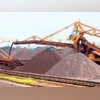 "iron ore, NMDC")
Representative Picture
Listen to This Article
State-run iron ore producer NMDC Ltd has set a target to achieve net-zero operational emissions by 2047, covering Scope 1 and Scope 2 emissions arising from direct fuel consumption and electricity consumption, respectively.
As part of its net-zero roadmap, the company has set an overall target of achieving a minimum 90 per cent reduction in operational emissions, with the remaining emissions to be addressed through offsetting measures as the roadmap progresses.
NMDC said in a statement that it will pursue the target through six key strategies, including energy efficiency, renewable energy integration, electrification of its fleet, adoption of low-carbon fuels, carbon capture, utilisation and storage (CCUS), and demand-side management.
The company's roadmap has been divided into three phases. The short-term phase will cover FY26 to FY30, followed by the medium-term phase from FY30 to FY40, and the long-term phase from FY40 to FY47.
During the initial phase, energy efficiency, renewable energy adoption and electrification are expected to form key components of the transition. These will be followed by deeper decarbonisation measures and emerging technologies in the subsequent phases.
Also Read

 "thermal power")
 "biogas")
 "Rekha Gupta, Delhi CM")
 "Coke oven gas injection at Tata Steel, Meramandali in Odisha's Dhenkanal district")
 "carbon change")
NMDC has already undertaken initiatives to increase the share of renewable energy and reduce dependence on conventional energy sources. These include a 10.5 MW wind energy facility at Chitradurga and solar power installations across its projects.
The company's decarbonisation efforts will also extend to the logistics side of its operations. The upcoming slurry pipeline project is expected to provide a greener downstream transportation solution by reducing dependence on conventional transportation and associated warehousing requirements.
NMDC also plans to increase the movement of iron ore through rail freight, supported by the doubling of railway lines and other supply infrastructure being developed around its operations. Greater use of rail transportation is expected to reduce the carbon intensity associated with the movement of minerals.
More From This Section
 "Ashwini Vaishnaw, Ashwini, Vaishnaw")
 "Takeda")
 "semiconductors (semicon)")
 "The demand for semiconductor chips in India is set to undergo a dramatic shift, with 60 per cent of it, in value terms, expected to come from chips smaller than 10 nanometre (nm) by 2032. This insight comes from a forthcoming report by the Indian El")
 "chips, semiconductor")
Topics : NDMC renewable energy Carbon emissions
Don't miss the most important news and views of the day. Get them on our Telegram channel
First Published: Sep 18 2026 | 7:56 PM IST