


World Autism Awareness Day 2025: History, Date, Theme, And Causes
April 2nd is celebrated as World Autism Awareness Day annually. This year's theme centers on global sustainability and neurodiversity, and how policies and practices may help autistic people
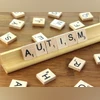 "World Autism Awareness Day")
World Autism Awareness Day
Listen to This Article
In an effort to increase global awareness about autism, April 2nd is designated as 'World Autism Awareness Day'. The day's goals are to raise awareness of autism and discuss the rights of those who have the condition. Autism is a developmental disorder that impacts a person's capacity for social interaction and communication.
Autism is regarded as a chronic illness. While some individuals with autism are able to live on their own, others have significant difficulties and require assistance from others to survive.
World Autism Awareness Day: History
Eugen Bleuler, a psychiatrist, coined the term "autism" in 1911 and made a distinction between it and schizophrenia because of their similar symptoms. In his 1943 paper "Autistic Disturbances of Affective Contact," pediatric psychiatrist Dr. Leo Kanner distinguished autism as a social and emotional condition. He then went on to characterize autism as a disorder in 1944.
To raise awareness and understanding of autism, the United Nations General Assembly (UNGA) created World Autism Awareness Day (WAAD) in 2007. The United Nations (UN) commemorated this important day on April 2 after it was founded.
World Autism Awareness Day 2025: Theme
This year, on Wednesday, the UN will commemorate this day with the theme "Advancing Neurodiversity and the UN Sustainable Development Goals (SDGs)." This year's theme focuses on how inclusive practices and policies may help people with autism.
What are the causes of Autism?
The developmental disorder known as 'autism' spectrum disorder is characterized by behavioral and communication symptoms that affect a person's capacity to negotiate social situations as well as repetitive and restricted conduct.
Autism typically begins in childhood, persists into adulthood, and lasts until the individual passes away. Because some children inherit genetic diseases like Rett syndrome or Fragile X syndrome, which are linked to ASD, genetic factors also play a significant role in this condition.
Some researchers further suggest that medications during pregnancy, viral infections, complications during pregnancy, or exposure to certain substances, may be to blame for these problems and raise the chance of ASD.
World Autism Awareness Day serves as a powerful reminder that awareness, acceptance, and inclusivity can transform the lives of individuals with autism. By fostering understanding and advocating for supportive policies, we can create a world where neurodiverse individuals thrive. As we continue to advance research, education, and inclusive initiatives, we move closer to a society that not only recognizes but also celebrates the unique strengths and contributions of people with autism.
More From This Section

 "Navratri")
 "World Tuberculosis Da")
 "Drinking water")
 "heart attack")
 "Happy Nowruz 2025")
Don't miss the most important news and views of the day. Get them on our Telegram channel
First Published: Apr 02 2025 | 6:23 AM IST