


BJD at a crossroads as defections test Naveen Patnaik's leadership
Naveen Patnaik's party faces internal churn after the 2024 polls with the BJP strengthening its Odisha foothold
 "Naveen Patnaik, Odisha CM, Naveen, Patnaik")
premium
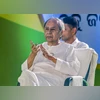
Biju Janata Dal (BJD) Supremo Naveen Patnaik (Photo: PTI)
6 min read Last Updated : Jun 14 2026 | 11:08 PM IST
Listen to This Article
While national attention remains focused on the rebellion within the Trinamool Congress in West Bengal, neighbouring Odisha is witnessing its own political churn, with several Biju Janata Dal (BJD) leaders moving to the Bharatiya Janata Party (BJP) after the regional party's defeat in the 2024 Assembly election.
The nomination of Debashish Samantaray to the Rajya Sabha by the BJP, days after he resigned from both the BJD and the Upper House, is the latest sign of a broader trend that has seen the BJD lose senior leaders even as the BJP strengthens its position in the state.
Samantaray is the third BJD Rajya Sabha member in two years to quit the party and secure a return to Parliament with BJP backing, after Mamata Mohanta, a Kudumi community leader, and Sujeet Kumar, an alumnus of Oxford University and Harvard Kennedy School. Once considered close to BJD President and former chief minister Naveen Patnaik, Samantaray said he had been “systematically belittled” and sidelined within the party, a grievance echoed by sections of the party's old guard.
Other leaders who switched sides during or after the 2024 elections include former Lok Sabha MPs Prasanna Patasani and Rabindra Kumar Jena, former Rajya Sabha member Amar Patnaik, and former MLAs Premananda Nayak and Parshuram Dhada. Former Rajya Sabha member N Bhaskar Rao, former minister Lal Bihari Himirika, former MP Manjulata Mandal and her husband, former MLA Muktikanta Mandal, have also resigned. Party sources indicate more departures could follow, including from the Rajya Sabha.
While defections are not uncommon in Indian politics, the steady stream of exits has prompted Opposition parties to allege that the BJP is seeking not only to expand its parliamentary presence but also to weaken the BJD after ending Patnaik’s uninterrupted 24-year tenure in power.
Debi Prasad Mishra, BJD senior vice-president, said the BJP was strengthening itself by inducting leaders from other parties. “Such departures are neither unexpected nor debilitating for a party that spent nearly a quarter-century in power. Individuals who have switched sides were beneficiaries of the BJD's political platform and held important positions during their association with the party. It reflects personal political ambitions rather than any ideological shift,” he said.
Opportunity in uncertainty
The BJD has dismissed claims that the departures point to deeper organisational problems, describing many of those leaving as political opportunists. Yet each exit reinforces a narrative that the party's political ecosystem is under strain.
The BJP, meanwhile, rejects allegations of poaching. State president Manmohan Samal said leaders were joining voluntarily because they saw better political prospects in the party. “The BJD’s troubles are self-inflicted and stem from growing dissatisfaction among senior functionaries over the party's internal functioning. People are joining the BJP because it is the principal political force in Odisha today. Nobody is being forced,” he said.
If the departures have highlighted organisational discontent, the Rajya Sabha election in March raised questions about internal discipline. The BJD suspended six MLAs for allegedly cross-voting in favour of BJP-backed Independent candidate Dilip Ray.
Political analyst Gyana Ranjan Swain described the developments as a contest over perception as much as political numbers. “For nearly 24 years, the BJD cultivated an image of strong internal discipline. Internal rebellions were rare. Public dissent was uncommon. Even leaders with grievances generally remained within the system because electoral success ensured political relevance. The recent developments suggest that this discipline may no longer be as strong as before,” he said.
Several observers argue the defections cannot be explained solely by BJP expansion and also reflect growing dissatisfaction within the BJD. One focal point has been the debate surrounding the Biju Naveen Inspirational Foundation (BNIF), a charitable trust registered in New Delhi and operating from Patnaik's official residence at 3, APJ Abdul Kalam Road.
Succession question remains
The trust assumed political significance after it emerged that former bureaucrat-turned-politician and Patnaik confidant V K Pandian serves as its president and life trustee. Pandian's role has remained a subject of discussion since the BJD’s 2024 defeat, with some party leaders arguing that the concentration of influence around him contributed to organisational dissatisfaction and electoral setbacks.
The issue has drawn attention because criticism has come not only from political opponents but also from sections within the BJD. Critics view the foundation as evidence that individuals outside the formal party structure continue to wield influence, despite Patnaik's clarification that the trust is a personal initiative focused on public welfare and is not funded by party resources.
The BNIF debate has increasingly become intertwined with a larger question facing the BJD: Succession.
Pandian's prominence became a major issue during the 2024 election campaign, with opponents questioning the influence of the Tamil-born former bureaucrat and making him central to the debate around “Odia asmita (Odia identity)”. Since his withdrawal from active politics after the party's defeat, questions about the BJD's future leadership have persisted.
For years, Patnaik's popularity allowed the BJD to defer discussions on second-line leadership and organisational decentralisation. Following the electoral setback, those questions have become harder to avoid.
Several party leaders, however, maintain there is nothing unusual about Pandian or his wife, former IAS officer Sujata R Karthikeyan, pursuing political roles.
“Retired bureaucrats joining politics is neither unusual nor objectionable. But if the couple wishes to shape political outcomes, they should do so openly and accept the scrutiny. Political authority should be accompanied by political accountability,” said a party leader.
Whether the recent Rajya Sabha exits represent isolated decisions or the start of a longer-term weakening of the BJD will depend largely on how effectively Patnaik addresses internal concerns and charts the party's future course.
Political observers, however, caution against underestimating the party. “Despite its electoral defeat, Patnaik remains Odisha's most recognisable political figure and continues to command significant goodwill. The party retains a substantial vote share and a strong organisational network. The current turbulence may represent a period of transition rather than an existential crisis. The real test will be whether the party can translate these challenges into organisational renewal,” Swain said.